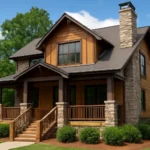
Architectural Vision for the Outside Office Building
The exterior design of an office complex sets the tone for how clients, employees, and visitors perceive a company long before they enter the lobby. When considering the outside office building, designers balance aesthetics with practicality, durability, and maintenance. The office building exterior should communicate the organization’s identity while withstanding harsh weather, reducing energy use, and supporting a safe and welcoming atmosphere. In this guide, we explore how to create a compelling outside office building environment, from facade choices and entry experience to landscape integration and ongoing upkeep.
Exterior Design Concepts and Materials
The material palette and massing of the office building exterior influence not only appearance but thermal performance, acoustic comfort, and long-term maintenance costs. A thoughtful combination of materials can achieve a balanced, timeless look that remains relevant as styles evolve.
Material Choices
When selecting materials for the outside office building, consider durability, maintenance cycles, climate, and branding. Common options include:
Brick and stone for texture, longevity, and a sense of permanence.
Metal panels (aluminum, zinc, steel) for a sleek, contemporary feel with high wind and weather resistance.
Glass curtain walls paired with insulated glazing for natural light and energy performance.
Concrete veneer or precast concrete for structural solidity and low maintenance.
Timber accents used sparingly to soften the massing and provide warmth.
Facade Treatments
The exterior skin of the outside office building can feature a mix of horizontal and vertical textures, shading assemblies, and dynamic panels. Consider:
Vertical fins or louvers to control solar gain and provide architectural rhythm.
Cladding variety to create zones or entries without fragmenting the overall composition.
Color strategy that aligns with brand while aging gracefully; neutral bases with accent tones can remain relevant for decades.
Weather-resistant coatings and sealants designed for local climate to minimize maintenance needs.
Entrances, Canopies, and Canopy Services
The threshold between exterior and interior is pivotal for user experience. For the exterior of an office building, consider:
Canopies and canopies lighting to create a welcoming entry, reduce ice/snow buildup, and provide weather protection.
Transparent glazing at entrances to communicate openness while maintaining security.
Accessible routes that comply with standards, ensuring that the primary entry is obvious from the street and easy to reach from parking and transit hubs.
Branding and Identity on the Exterior
The outside office building exterior should reflect the organization’s values and culture. Subtle branding elements, such as a branded color palette, a logo on a primary facade, or a signature material, help visitors recognize the building in a crowded streetscape without overpowering the design.
Landscape and Exterior Spaces
Landscape is not icing on the cake; it is a core component of the office building exterior that affects comfort, sustainability, and enjoyment. A well-planned exterior relies on climate-appropriate plants, durable hardscape, and interconnected outdoor spaces that support work and social interaction.
Biophilic and Sustainable Landscaping
Embrace biophilic design by integrating living elements that connect occupants to nature. This can include green roofs, living walls, and shade-providing trees along pedestrian routes. In hot climates, trees with high canopy density can dramatically reduce heat island effects, while in cooler climates, evergreen plantings maintain visual interest year-round.
Outdoor Work and Social Areas
Create flexible outdoor spaces for break areas, informal meetings, or company events. Elements to consider:
Weather-protected seating with durable, easy-to-clean furniture
Power, data, and wireless charging points for mobile devices
Shade structures and rain protection without obstructing sightlines
Water features or sculptures to provide a calming backdrop
Pedestrian and Vehicle Circulation
A well-designed circulation plan reduces bottlenecks and improves safety. For the exterior realm of the office building exterior, plan:
Clear pedestrian routes from public transit and parking to primary entrances
Delineated drop-off/pick-up zones with appropriate signage
Accessible routes and signage that guide visitors to reception and amenities
Lighting and Nighttime Ambience
Lighting is a key element of both security and aesthetics. The outside of an office building should be legible at night, inviting, and energy-efficient. A layered approach combines ambient, task, and accent lighting to highlight architecture and landscape while supporting safety.
Exterior Lighting Strategy
Facade lighting emphasizes architectural features without causing glare.
Landscape lighting enhances trees, planters, and pathways for safe nighttime routes.
Smart controls adjust brightness based on time of day and occupancy, reducing energy use.
Motion-activated lighting in service zones improves security without intruding on occupants.
Color and Temperature
Choose lighting with appropriate color temperature to maintain visual comfort and preserve the building’s character. Warmer temperatures can create a welcoming environment at entry points, while cooler temperatures may suit modern, high-tech façades.
Maintenance and Upkeep of the Exterior
The long-term success of any outside office building depends on a robust maintenance program. Regular inspections, proactive repairs, and timely cleaning help preserve aesthetics, safety, and performance. A well-structured plan minimizes disruption to tenants and visitors.
Preventive Maintenance Plan
A documented preventive maintenance plan should specify:
Frequency of inspections for façades, roofing, gutters, and sealants
Materials-specific care instructions, such as cleaning agents and schedules
Replacement timelines for wear-prone components like seals, coatings, and glazing
Seasonal checks for accessibility, lighting, and drainage
Cleaning and Exterior Cleaning Schedules
Exterior cleaning keeps the office building exterior looking fresh and prevents staining. Strategies include:
Pressure washing or soft washing for different materials, with attention to paint integrity
Graffiti prevention and removal plans for exposed surfaces
Window washing cycles that balance privacy, safety, and cost
Roof and gutter cleaning to prevent water damage and staining
Weatherproofing, Sealing, and Coatings
Weatherproofing is not a one-time job; it requires ongoing evaluation. For the outside office building, prioritize:
Sealant integrity around windows, doors, and joints to prevent water intrusion
Protective coatings for metal panels and concrete to slow corrosion and spalling
Inspection of insulation barriers visible at the exterior to avoid energy loss
Facade Cleaning and Repairs
The facade is a visible investment. Plan for facade cleaning and timely repairs that address:
Staining, efflorescence on masonry, and discoloration on metal surfaces
Cracks, delamination, or corrosion that compromise structural integrity or weather sealing
Replacement or restoration of decorative elements that contribute to the design language
Seasonal Checks and Emergency Readiness
Seasonal tasks protect exterior systems during extreme weather. Consider a schedule that includes:
Snow and ice management plans with de-icing protocols for entrances
Storm contingency measures for wind-driven debris and panel integrity
Backup power readiness for critical exterior lighting and security systems
Sustainability and Energy Efficiency
An environmentally responsible approach to the office building exterior reduces operating costs and demonstrates corporate stewardship. Sustainability is not only about appearance—it translates to measurable savings and healthier workplaces.
Energy-Efficient Exterior Systems
High-performance glazing with low solar heat gain coefficient to minimize cooling loads.
Thermally broken frames and proper ventilation to reduce heat loss.
Proper insulation of building envelope components to maintain indoor comfort with lower HVAC energy use.
Water Management and Rainwater Harvesting
Efficient water management preserves the integrity of the exterior and reduces municipal use. Strategies include:
Rain gardens and permeable pavements to manage stormwater on-site
Rainwater harvesting systems in compatible climates for irrigation and non-potable uses
Gutter and downspout sizing to handle local rainfall extremes with minimal overflow
Material Longevity and Recyclability
Choose materials with long lifespans and high recyclability to lower lifecycle impacts. For the outside office building exterior, favor:
Recyclable metal cladding that can be repaired or refreshed without full replacement
Natural stone or brick that endures decades with minimal maintenance
Coatings and sealants that are low-VOC and designed for extended reapplication cycles
Safety, Accessibility, and Compliance
A responsible design process prioritizes safety and inclusivity. The exterior of an office building must protect occupants, visitors, and maintenance personnel while complying with local codes, accessibility standards, and safety best practices.
Lighting for Safety and Wayfinding
Exterior lighting should deter intrusions and help people move safely. A robust plan includes:
Even illumination along pathways, entries, and parking areas
Avoiding glare on windows and signage that could hinder visibility
Emergency lighting integrated with the building’s safety systems
Accessibility and Universal Design
The exterior of the office building must be accessible to everyone. Consider:
Ramps with appropriate slopes and handrails near all primary entrances
Minimum clear widths for pedestrian routes and doors
Signage with high contrast, tactile elements, and Braille where appropriate
Security and Maintenance Access
Exterior security considerations protect people and property without creating a fortress-like appearance. Elements include:
Controlled access points and surveillance coverage along primary routes
Non-slip surfaces and weather-resistant railing systems where needed
Compact, accessible maintenance platforms for roof and façade work
Budgeting, Scheduling, and Project Management
Realizing a strong exterior program for an outside office building hinges on careful budgeting and phased planning. A well-structured plan considers initial construction costs, ongoing maintenance, and long-term energy savings.
Cost Considerations and Value
When evaluating design options, weigh the life-cycle costs rather than just the upfront price. Durable materials with low maintenance demands may have higher initial costs but lower total cost of ownership over time.
Phasing and Program Delivery
For large campuses or multi-building campuses, phased exterior work can reduce disruption. A phased approach might involve:
Prioritizing high-visibility areas and safety-critical elements
Sequencing landscape installation to align with building occupancy
Coordinating with tenants to minimize impact on daily operations
Maintenance Budgeting and Contracts
A sustainable plan includes recurring maintenance contracts, reserve funds for replacement of major exterior components, and clear service-level agreements with contractors. Regular reviews ensure that the budget aligns with observed performance and evolving standards.
Case Studies and Real-World Examples
Across different regions, notable examples of exterior design ideas for office buildings demonstrate how thoughtful planning yields both beauty and practicality. While each project responds to its climate and context, several recurring patterns emerge:
Integration of green walls and living facades to improve air quality and insulation
Use of durable metal composites with selective wood accents to evoke modern sophistication
Smart lighting systems that adapt to sunset times and occupancy patterns
Brick-based plinths paired with glass curtain walls to balance mass and light
Learning from these examples, property owners can tailor the design approach to their outside office building exterior while keeping maintenance considerations front and center.
Implementation Checklist for the Exterior Design
Before launching a project, assemble a practical checklist that covers design intent, materials, and maintenance. The following items help ensure thorough preparation:
Define the design goals and how they reflect the company’s brand and culture.
Choose a cohesive set of materials that balance aesthetics with durability and repairability.
Develop a facade performance model that predicts energy use, solar gain, and acoustic performance.
Plan for accessible and safe routes from street to entrance, including winter considerations.
Create a long-term maintenance schedule that aligns with budget cycles and lifecycle expectations.
Additional Resources and Expert Guidance
For organizations seeking to refresh or replace portions of their exterior, consulting with a multidisciplinary team is often the best path. Consider involving:
Architects who specialize in commercial projects and exterior envelope design
Facade engineers to ensure structural and moisture-control performance
Landscape architects to create resilient, climate-responsive outdoor spaces
Facility managers who understand ongoing maintenance implications and operations
Conclusion: Crafting a Cohesive Exterior Narrative
Designing the outside office building exterior is about more than just making a handsome first impression. It is a holistic endeavor that blends form and function, beauty and resilience, branding and practicality. A successful exterior communicates corporate values, supports sustainable performance, and remains adaptable to future changes in occupancy, technology, and climate. By weaving together materials, lighting, landscape, accessibility, and maintenance into a unified strategy, organizations can create an exterior that is not only visually compelling but also economically prudent and environmentally responsible.
Whether you are starting from scratch or renovating an outward-facing facade, the core principles stay consistent: prioritize durability, ensure safety and accessibility, align with brand identity, and plan for ongoing care. When these elements are harmonized, the exterior of the office building becomes a powerful, enduring asset that welcomes clients, supports employees, and reflects the organization’s commitment to excellence.