Men’s Monochrome Outfits have stood the test of time because they simplify decision‑making while delivering a cohesive, polished presence. This guide dives into the art and practicality of crafting timeless monochrome style for every age, body type, and occasion. By exploring color families, textures, layering, and wardrobe architecture, you can build a versatile capsule that feels effortless rather than engineered.
At its core, a monochrome outfit uses varying shades, tones, and textures of a single color family or the same neutral palette. The goal is to create depth through texture and tone-on-tone contrast rather than color contrasts. When done well, the result is an elegant, elongating silhouette with minimal visual noise. The lack of competing colors nudges attention toward fit, fabric quality, and the way pieces interact—couture-like in its restraint, but highly wearable in daily life.
Variation in shade and undertone keeps the outfit from looking flat.
Texture is king: smooth wool, brushed denim, ribbed knits, or leather surfaces create tactile interest within a single color.
Line and proportion matter: silhouettes should maintain clean, continuous lines to enhance elongation.
Why choose monochrome: benefits and tradeoffs
Choosing a monochrome wardrobe is not about avoidance of color but about intentional restraint. Here are the principal benefits and a few caveats to consider:
Versatility: A monochrome base pairs with almost any accessory, footwear, or outerwear without clashing.
Timelessness: Classic color families—black, white, navy, gray, and beige—outlast trends.
Effortless coordination: Fewer color decisions each morning can streamline dressing rituals.
Elevated formality: A well-executed monochrome ensemble often reads as deliberate and refined.
Tradeoffs to be mindful of include the potential for monotony if texture and fit aren’t varied enough, and the need for careful care to keep whites pristine and blacks deep. The goal is balanced monochrome, not monotone fatigue.
Color families and their mood in men’s monochrome
Monochrome does not mean a single piece in one color. It means cohesive grayscale or tonal harmony within a chosen color family. Here are common paths with expressive possibilities:
Black and white spectrum
The classic black‑and‑white axis is the most formal and versatile. You can be sharp in a deep black suit with a white shirt, or casual in an oversized black tee with white sneakers. The interplay of pure black, true white, and the grayscale in between allows for dramatic or minimalist statements depending on fit and texture.
Grayscale range
A head‑to‑toe grayscale palette—charcoal, gray, light gray—reads modern and refined. It’s forgiving with maintenance (slightly easier to keep pristine than pure white) and adaptable across seasons.
Navy and blue family
Navy monochrome or navy‑dominant outfits can feel collegiate, maritime, or executive, depending on fabric and silhouette. A navy-on-navy look might pair a deep blazer with a lighter indigo denim, using subtle texture shifts to avoid flatness.
Earth tones and beige spectrum
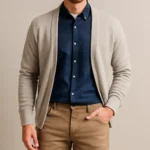
Beige, stone, taupe, and sandy hues offer a warmer monochrome. Layering creams with camel, or pairing a stone knit with tan trousers, creates a soft tonal narrative that remains masculine and approachable.
Wardrobe building blocks: components of a monochrome collection
Constructing a versatile monochrome wardrobe is less about offshore trends and more about core pieces that play well together. Consider these categories as your foundation, not restrictions.
Tops
Lightweight polo or T‑shirt in a neutral shade for casual days.
Merino or fine-knit sweater in charcoal, navy, or cream for layering.
Oxford shirt in white or pale gray for a crisp, office‑appropriate base.
Cashmere pullover in a warm beige or cool gray for refined evenings.
Lightweight button‑downs in tonal shades with minimal sheen.
Bottoms
Slim or tailored trousers in charcoal, navy, or stone.
Dark denim with a clean cut, avoiding heavy distressing.
Chinos in a single shade family for casual‑smart balance.
Shorts in tan or gray for summer needs, maintaining a clean silhouette.
Outerwear
Blazer in navy or charcoal can anchor most outfits.
Overcoat in wool or wool‑blend for winter formality and warmth.
Bomber or field jacket in muted tones for a modern streetwear edge.
Trench in beige or stone for a classic, weatherproof layer.
Footwear
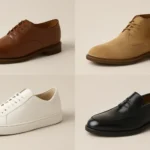
Leather derbies or oxfords in black or dark brown for formal and business settings.
Minimalist sneakers in white or black for casual days.
Chelsea boots in black or chestnut for versatile elevation.
Loafers in suede or polished leather for smart casual looks.
Accessories
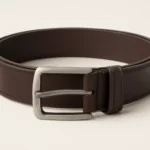
Belts in matching tones to shoes; keep width consistent with outfit formality.
Watches with metal or leather bracelets in tone‑on‑tone finishes.
Hats (fedora, beanie, or cap) in neutral colors to suit the season.
Bags (briefcase, messenger, or backpack) in matte or textured leather in neutral hues.
Outfit templates by occasion
Monochrome outfits can be tailored for formal events, the workplace, casual weekends, or street-ready days. Here are practical templates you can adapt with minimal tweaks:
Formal monochrome ensembles
Deep charcoal suit, white dress shirt, and black leather oxford shoes. Add a matte black belt and a simple tie in a shade of charcoal for tonal harmony.
Navy tuxedo style (highly tailored), with a crisp white shirt and dark velvet shoes. Keep accessories minimal—no flashy patterns.
All‑black ensemble: black suit, black shirt, and black accessories. Vary textures with a wool suit, satin lapels, and matte shoes to preserve depth.
Business casual monochrome
Charcoal chinos, charcoal knit polo, and a lighter gray blazer. Finish with black leather sneakers or loafers.
Navy chinos with a pale gray button‑down and a darker navy cardigan or lightweight blazer.
Beige or stone trousers with a cream knit and a matching tonal blazer for a polished, relaxed look.
Casual monochrome looks
White tee, light gray denim jacket, and charcoal denim pants for a tonal streetwear vibe.
Black hoodie, black tapered sweatpants, and black high‑top sneakers for a minimal, athletic-inspired outfit.
Beige T‑shirt, stone shorts, and a sand-colored overshirt for warm‑season simplicity.
Streetwear and contemporary silhouettes
All‑white with varied textures: white cotton tee, off‑white denim jacket, and white denim or chinos; contrast comes from fabric texture rather than color.
Monochrome layering: black tee under a charcoal longline coat with black cargo pants and matte finish sneakers.
Navy on navy: dark navy hoodie under a lighter navy windbreaker with matching navy joggers for a cohesive, sporty look.
Fabric, texture, and the tactile advantage of monochrome
Texture transforms a monochrome palette from flat to dynamic. Mixing fabrics with the same color family creates depth through light reflection, weight, and surface treatment. Consider these textures and how to pair them:
Wool and flannel for structure and warmth in suiting and outerwear.
Cashmere and merino knits for softness and refined drape within sweaters and layering pieces.
Cotton twill and canvas for casual trousers and outerwear that hold shape.
Leather and suede in black or brown in small doses to add contrast without color disruption.
Silk or satin accents (ties, pocket squares) in a grayscale pairing for subtle sheen without color clash.
Denim in dark washes anchored with a single tonal piece to maintain cohesion.
Fit, proportion, and tailoring for monochrome impact
A monochrome outfit’s success hinges on fit. Because color distraction is minimized, the eye rests on lines and silhouette. Follow these principles to optimize your look:
Clean shoulders in blazers and coats convey confidence and structure.
Proper sleeve length so cuffs reveal a touch of shirt or knit, creating a deliberate peek of texture.
Leg length and inseam that create a streamlined silhouette, especially with straight or slim cuts.
Layering balance: long top layers over shorter ones to maintain proportion and avoid bulk in the wrong places.
When in doubt, lean on tailoring. A few well‑placed alterations—a shorter sleeve, tapered trouser, or nipped waist—can make a monochrome outfit feel custom, not off‑the‑rack.
Layering strategies for depth without color chaos
Layering is where monochrome storytelling truly shines. The aim is to progress from light to dark (or vice versa) while preserving a cohesive reading. Useful techniques include:
Start with a neutral base (shirt or tee) in a light shade, then add midtone and darker outer layers.
Use textures at each layer to create tactile contrast—think a brushed wool under a smooth wool coat and a leather belt.
Limit the number of visible layers to maintain a clean line; two to three layers is usually optimal for most settings.
Roll or cuff sleeves slightly to show the interior texture of a sweater or shirt, reinforcing depth without color changes.
Seasonal considerations: how to adapt monochrome across the year
Monochrome outfits adapt well to seasons when you adjust fabric weight, layering, and footwear. Here are practical approaches for different times of year:
Spring and summer
Choose lighter fabrics: linen blends, light cottons, and breathable wools in pale grays, beiges, or whites.
Keep silhouettes relaxed but well‑fitted to avoid heat pooling in darker tones.
Opt for white sneakers, loafers, or suede espadrilles to maintain a fresh tonal balance.
Autumn and winter
Incorporate layering with heavier textures: wool coats, tweed, bouclé knits, and shearling linings in dark charcoal, navy, or deep camel.
Consider tonal contrasts within the same color family (e.g., charcoal sweater with a charcoal overcoat) to preserve visual interest.
Footwear can be sturdy: leather boots, chelsea boots, or rugged loafers in black or brown to anchor the look.
Maintenance tips for pristine monochrome wardrobes
Keeping a monochrome wardrobe looking intentional requires care beyond basic laundry. Here are maintenance essentials to extend the life of your pieces:
Follow fabric care labels strictly to prevent pilling, shrinkage, or color migration.
Separate whites from darker tones during washing if the fabrics are prone to dye transfer; even tonal whites can pick up tint from other items.
Invest in garment bags for delicate pieces like wool coats and cashmere; store off-season items in breathable containers to deter moths and moisture damage.
Use color‑safe stain removers sparingly on whites and light grays to protect brightness without compromising fiber structure.
Common mistakes and how to avoid them
Even seasoned dressers can stumble when working with monochrome. Here are frequent pitfalls and practical fixes:
Flat color blocks without texture variation make outfits feel bland. Fix: introduce textiles with different surfaces (wool, denim, leather) within the same color range.
Overuse of high‑contrast whites in the same look can wash you out. Fix: pair whites with deeper grays or creams for depth.
Ill‑fitting garments in any color break the illusion of refinement. Fix: prioritize proper tailoring and consider alterations as part of the process.
Inconsistent footwear pairing with the outfit’s formality can jar the tone. Fix: align shoe formality with the rest of the ensemble.
Getting started: a practical shopping checklist
To assemble a functional monochrome capsule, use this practical list as a baseline. It’s adaptable to your climate, budget, and style preferences:
Two to three base tops in white, light gray, or another tonal shade.
Two to four bottoms (trousers, denim, or chinos) in a consistent color family.
One or two outerwear pieces (blazer, overcoat, or bomber) in dark or mid tones.
One pair of formal shoes and one casual pair that align in color and finish.
Texture‑balanced accessories (belt, watch, hat) in matching tones.
Seasonal additions like lighter knits for spring or a heavier overcoat for winter.
With this toolkit, you can mix and match confidently, creating many outfits from a compact set of pieces.
Putting it all together: a sample week of monochrome outfits
Below are a few representative outfits to illustrate how the principles translate into real looks. Adapt the color family and textures to your closet.
Day 1 — Formal lean: charcoal suit and white shirt
Charcoal wool suit
White shirt, crisp collar
Black leather oxford shoes
Matte black belt, minimal silver watch
Day 2 — Business casual: navy tonal layering
Mid‑weight navy blazer
Light gray crew neck sweater
Navy chinos
Dark brown leather loafers
Day 3 — Casual streetwear: black on black with texture
Black cotton tee
Black bomber jacket with matte finish
Black tapered jeans
Black sneakers with minimal branding
Day 4 — Summer refined: white on white
White polo
Off‑white chinos
White leather sneakers
Light neutral belt and sunglasses with silver hardware
Day 5 — Winter elegance: beige monochrome with texture play
Beige wool overcoat
Stone knit turtleneck
Charcoal trousers
Dark brown leather Chelsea boots
Accessibility and personal style: tailoring the approach
Monochrome style is accessible, but personal flavor matters. You can adapt the principles to reflect your climate, job, and identity while maintaining the core idea of tonal harmony. Here are ways to personalize without breaking the monochrome rule:
Choose a color family that complements your skin tone and eye color to avoid washing out or overpowering.
Incorporate signature textures or a single standout accessory to express individuality within the uniform palette.
Adjust the formality level to match your environment by swapping sneakers for loafers, or a blazer for a cardigan.
Experiment with pocket squares, lapels, or stitching details in the same color family for subtle emphasis.
Conclusion: the enduring appeal of monochrome masculinity
“Timeless style” is not a myth; it’s a practical strategy. A well‑executed monochrome outfit communicates confidence through fit, fabric, and restraint. It invites attention to the details that truly matter—how a jacket drapes, how a shirt catches light, and how cleanly shoes align with the overall silhouette. By embracing variations within color families, prioritizing texture, and tailoring for your body, you unlock a versatile, lasting wardrobe that remains relevant across seasons, trends, and life’s changes.
Whether you’re stepping into a boardroom, meeting friends for coffee, or navigating a weekend away, a thoughtfully assembled monochrome look offers a reliable, stylish framework. It is, in essence, the ultimate guide to timeless style for modern men who value polish, simplicity, and understated confidence.