Jesus Disciples Jobs: Roles, Calling, and Work of Jesus’ Followers
An essential part of the story of Jesus is the diverse group of people who followed him, learned from him, and carried his message into the world. The phrase disciple roles and apostolic duties helps describe not a single occupation but a spectrum of vocational callings that accompanied the disciples on the road, in the boat, and through towns and villages. While many readers focus on the miracles or the teachings, the work of Jesus’ followers also reveals a practical, lived-out mission: how ordinary people used their livelihoods, skills, and networks to support a transformative movement. This article explores the occupations of the Twelve, their calling, and the work they undertook as they joined Jesus in his mission and then shaped the early Christian movement after his death and resurrection.
Overview: Who Were the Disciples and Why Their Vocations Matter
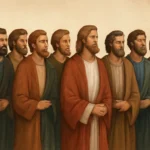
The term disciple describes a learner or student who follows a teacher to learn a way of life. In the Gospels, Jesus gathers a core group known as the Twelve—often called the Apostles—who are entrusted with special instruction and later commissioned to proclaim the kingdom, heal the sick, and witness to his death and resurrection. The diversity of backgrounds among the Twelve demonstrates a central point: God works through ordinary people from varied walks of life to accomplish extraordinary purposes.
Beyond the Twelve, the Gospel accounts describe a larger circle of followers who supported Jesus’ mission. Some had jobs, families, and communities that would play a role in the spread of the message. The combination of calling, works, and ministry in Jesus’ circle illustrates a model of lay leadership and collaborative mission that has influenced Christian communities from antiquity to the present.
Before the Calling: The Occupations of the Early Followers
Several of the first companions of Jesus were anchored in recognizable trades. Their jobs did not disappear at the moment of their calling; rather, these roles were redirected toward a new vocation: following Jesus and participating in his mission. The Gospel narratives describe a few prominent examples:
Peter and Andrew and James and John were fishermen on the Sea of Galilee. Fishing was not merely a job; it was a way of life in Galilee, shaping their daily rhythms, networks, and skills in observation and risk-taking. Their call to become “fishers of men” reframed their craft as a metaphor for gathering people into the Kingdom (Matthew 4:18-22; Mark 1:16-20).
Matthew the tax collector (also known as Levi) was a publican who collected customs for the Roman authorities. Tax collectors were often distrusted and feared, yet Jesus invited Matthew to leave his booth and join him. In Matthew 9:9, the invitation to follow Jesus demonstrates a radical shift from a financially based vocation to a call to ministry and witness.
Other disciples, such as Simon the Zealot, carried a background that might be described as political or nationalist. The Zealot designation suggests a past oriented toward political change by force, which contrasts with the peaceful, service-oriented mission Jesus preached. This diversity shows that the group did not all come from the same social role or ideological background; instead, their common calling bound them together for a shared mission.
These examples reveal a broader pattern: the calling of Jesus’ followers often required a reordering of life. The disciples did not resign from all earthly responsibilities at once; rather, they made a decisive choice to align their lives with Jesus and his mission. This process is a key hinge in understanding the jobs of Jesus’ followers — not simply what they earned, but how they directed their livelihoods in service of a larger purpose.
Calling and Selection: How Jesus Chose His Team
The Gospel accounts present a clear motif in which Jesus calls potential followers—inviting them to leave their nets, booths, or trades, and to trust him with their future. This calling is not merely a moment of decision; it is the beginning of a sustained engagement in a group project: the formation of a community tasked with embodying the Kingdom of God in word and deed.
Immediate response: Several invitations describe an instantaneous response—those who “left their nets at once” to follow Jesus, signaling a readiness to reorder their lives around his vocation.
Transformation of vocation: The jobs and roles they held prior to following Jesus become filtered through a new purpose: to learn from Jesus, to be sent out to proclaim the good news, and to participate in healings and miracles as signs of the reign of God.
communal mission: The calling is not solitary. Jesus forms a cadre—a community—whose members reinforce and complement each other’s gifts, places, and networks. This shared mission is a fundamental feature of the “disciples’ work” in the early church.
Within this framework, each disciple carried a distinct set of gifts that informed their ministry and the way they contributed to the spread of Jesus’ teachings. The calling, then, is best understood as a shift from a private or family-centered vocation to a public, communal, and mission-driven life.
Roles Within the Group: Different Jobs Among the Disciples
The Twelve functioned with a range of leadership functions. While they shared the calling to follow Jesus, the group also demonstrated adiversity of roles that enabled a broader and more effective ministry. Here are some of the key job-like functions that can be observed in the Gospel accounts:
Peter as a leadership figure: Often described as a spokesperson and a de facto leader, Peter’s role included listening, asking questions, and later guiding the early church after Jesus’ departure. His dynamic traits—boldness, impulsiveness, and loyalty—helped anchor the group during uncertain times.
John and James—the inner circle: James and John, sometimes called the “sons of thunder,” formed a close inner circle with Jesus. Their proximity to Jesus gave them particular insight and trust, and they would become influential figures in the early Christian communities.
Matthew—the apostolic scribe: As a former tax collector, Matthew’s expertise in record-keeping and organization may be seen as valuable in shaping how the early church documented teachings and gathered communities.
Simon the Zealot—the balancing voice: The presence of a Zealot in the group highlights the broad spectrum of social backgrounds represented among Jesus’ followers, suggesting that the mission would have to transcend political divides and focus on spiritual aims.
Judas Iscariot—the treasurer and, tragically, the betrayer: Often identified with the role of a keeper of resources or administrator, Judas’s role is controversial and central to the narrative arc of betrayal and lament, which offers a somber reflection on human frailty and trust.
In addition to the confirmed Twelve, the Gospels also describe other followers who contributed to the movement through practical work of service and ministry teamwork, including women who provided financial and logistical support, as well as young assistants and workers who spread the word locally. These strands together illustrate a collaborative enterprise where different jobs and gifts mattered for the vitality of the mission.
Other Roles and Skills People Brought to the Mission
Beyond the canonical Twelve, there were apostolic tasks and disciples’ duties that reflected practical skills—hospitality, teaching, organizing, and traveling light in order to multiply the impact. Some specific examples include:
Traveling evangelists who carried messages from place to place, preaching, teaching, and performing healing as they went.
Household leaders who hosted gatherings, opened their homes for meals and teaching, and served as hubs for early Christian communities.
Networks of care for the poor and marginalized, which became a hallmark of the earliest Christian communities.
These disciples’ duties highlight how a community-centered approach—rather than a single person’s charisma—built resilience and growth in the early Church. The idea of shared leadership emerges as a core principle for Christian organization and mission that persists across centuries.
Work in the Gospel Era: The Apostolic Mission and Its Tasks
As Jesus sent them, the disciples engaged in a multi-faceted apostolic mission that combined proclamation, healing, and community formation. Their work went beyond preaching to include practical demonstrations of the Kingdom of God. The primary categories of their work include:
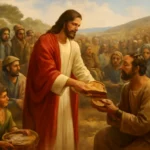
Proclamation of the good news: Teaching the message of Jesus, explaining parables, and inviting people to repentance and faith.
Healing and exorcism: Demonstrating the in-breaking of God’s rule through signs of physical and spiritual healing, which validated the message and opened doors for belief.
Discipling new believers: Training new converts in the way of Jesus, forming them into communities with shared practices, meal fellowship, worship, and mutual care.
Hopeful leadership: Organizing the community, appointing leaders, and resolving disputes—an early model of church governance.
Resource stewardship: Managing funds and goods to care for the needy, support itinerant ministry, and sustain communal life.
These tasks collectively illustrate how the work of Jesus’ followers was not limited to private devotion but was actively engaged in public life—shaping communities that embodied the teachings of Jesus in tangible ways.
Post-Resurrection and the Commission: From Followers to Witnesses
The narrative pivot from Jesus’ life on earth to the early church’s mission begins with the Resurrection and the call to bear witness “to the ends of the earth.” The Great Commission (Matthew 28:18-20) and similar commissioning statements in Acts emphasize that the apostles’ work would extend beyond Galilee and Judea to a global horizon. This transition marks a shift from localized ministry to a missionary enterprise fueled by the Spirit and sustained by community.
Key aspects of this phase include:
Empowerment by the Spirit: The Pentecost event provides the disciples with the power to preach boldly, heal, and persevere in the face of persecution.
Global outreach: The apostles travel to various regions, adapting their message to different audiences while remaining faithful to the core proclamation of Jesus as Messiah.
Establishment of churches: New communities emerge, organized around teaching, worship, fellowship, breaking bread, and shared generosity.
Leadership development: Selection and appointment of leaders within communities, communication of guidance, and the preservation of doctrinal and ethical boundaries.
The post-resurrection chapter demonstrates that the jobs of Jesus’ followers extended into leadership, teaching, and governance, with the aim of sustaining and multiplying faith communities that mirrored the values of Jesus’ teaching and example.
The Wider Circle: Other Followers and Their Vocations
While the Twelve formed the inner circle, the broader network of Jesus’ supporters included people from many walks of life. This broader circle helps explain how the movement could grow rapidly in the first century. Some examples of broader vocational backgrounds include:
Women in supportive roles: Women like Mary Magdalene, Joanna, Susanna, and others played essential roles in providing financial support, hospitality, and leadership in some communities. Their generous service is a reminder that ministry often depends on lived generosity and organizational help.
Laborers and artisans: Some followers came from crafts, farming, or small businesses; their practical skills contributed to the practical functioning of the early church—managing resources, carpentry, textiles, or cooking for communal meals.
Educators and storytellers: The act of teaching and narrating the events of Jesus’ life was central to the spread of faith. Skilled communicators helped translate the gospel message into memorable stories, sermons, and letters.
This broader network demonstrates a principle later echoed in church history: ministry requires a spectrum of gifts and positions, not just a single clerical role. The jobs of Jesus’ followers thus include a collaborative framework in which lay leadership and professional skills support the spread of the message.
Impact on Early Christian Community: How Vocations Shaped Practice
The occupations and vocational backgrounds of Jesus’ followers influenced how the early church organized itself, valued service, and managed resources. Some of the most visible impacts include:
Hospitality and shared meals: A practice rooted in everyday life—sharing food and space—built trust and fostered community among diverse people.
Almsgiving and care for the needy: The sharing of goods and material support helped marginalized members and created a sense of solidarity within the community.
Travel and mission strategy: The apostles’ ability to move between towns and regions, using their networks and vocations to reach new audiences, set a pattern for missionary work in the church’s early centuries.
The emergence of leadership roles: As communities formed, leaders emerged to teach, arbitrate disputes, and oversee resources—an important development in sustaining multi-site faith communities.
In this sense, the work of the followers was not only about preaching; it was about building a social order that reflected Jesus’ values and trained new members to continue the mission with practical support and organizational care.
Variations of the Theme: How Writers Describe the Disciples’ Jobs
Scholars and readers often use a variety of phrases to describe the same core idea: the occupations of Jesus’ close followers were diverse, yet they coalesced around a shared mission. Some common variations you may encounter include:
Disciples’ vocations and apostolic callings
Followers’ ministries and community service
Apostles’ tasks and missionary duties
Jesus’ inner circle roles and peripheral supporters
Trades turned spiritual work and vocational transformation
Using these variations helps highlight different facets of the same historical reality: a group of people who left their former livelihoods to participate in a transformative movement, then carried that momentum into the formation of the early church.
Lessons from the Disciples’ Skills: What Their Jobs Teach Today
Reflecting on the positions and tasks of Jesus’ followers offers several practical lessons for contemporary readers and faith communities:
Calling may require change: Responding to a higher vocation often involves letting go of a familiar path, whether or not it seems easy or secure.
Leadership is diverse: Different gifts—leadership, teaching, administration, generosity—are needed in any healthy community.
Ministry in daily life matters: The disciples’ backgrounds and everyday skills—fishing, bookkeeping, hospitality—show how sacred purpose can be woven into ordinary life.
Collaboration sustains mission: A team with varied experiences can address broader needs and adapt to different contexts as the message expands.
These insights remain relevant for churches and organizations today as they consider how to mobilize people, allocate resources, and structure ministries that reach diverse audiences while staying faithful to core values.
Conclusion: The Legacy of Jesus’ Followers’ Jobs
The occupations of Jesus’ followers reveal more than a list of historical facts about who was a fisherman or a tax collector. They illuminate a narrative in which calling, work, and mission intersect in a transformative way. The disciples’ jobs—whether as fishermen, tax collectors, or trusted companions in a itinerant ministry—demonstrate a model of integrated vocation: a life committed to learning from Jesus, sharing his message, caring for others, and building communities that persist beyond a single lifetime.
By considering the roles, calling, and work of Jesus’ followers, readers gain a richer understanding of how spiritual vocation can inform practical life, community leadership, and global mission. The story invites us to see our own work—whatever it may be—as part of a larger vocation: to live out the values of compassion, hospitality, integrity, and service, and to participate in a ongoing project of witness and transformation that began in Galilee and continues in the world today.