Dream Dictionaries: A Comprehensive Guide to Dream Interpretation
Dream dictionaries are one of the oldest and most widely referenced tools for attempting to understand the meanings behind nocturnal visions. From dusty volumes on antique shelves to modern apps that promise instant symbol translations, these resources offer a structured way to approach the often puzzling images that appear in sleep. This guide explores what dream dictionaries are, how they function, where their power and limits lie, and how to use them in a way that supports personal insight rather than rigid rules.
What is a dream dictionary?
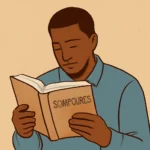
A dream dictionary is a reference work that associates common dream symbols with possible meanings. Historically, such dictionaries collected cultural associations, religious symbolism, and popular folklore to create a catalog of images like flying, falling, or meeting a stranger, and then paired them with interpretations. In the modern era, the term has expanded to include a variety of formats — from traditional printed tomes to online glossaries, mobile apps, and interactive databases. You might also encounter synonyms and variants such as the dreambook, the dream lexicon, a oneiric dictionary, or the dream symbol glossary. No matter the label, the core idea remains the same: a structured repository of symbolic associations intended to help readers reflect on what their dreams could be communicating.
It is useful to distinguish between universal symbol lists and context-bound interpretations. A universal symbol list provides broad, cross-cultural associations (for example, water as a symbol of emotion). A context-bound interpretation, which you often see in individual dream journals or specialized dictionaries, emphasizes how the specific details of the dream (the person you dreamed about, the location, your feelings during the dream) shape meaning. In many cases, a dream dictionary acts as a jumping-off point for personal exploration rather than a definitive verdict.
Origins and evolution of dream dictionaries
Historical roots
Dream interpretation has deep roots across civilizations. Ancient Mesopotamian, Egyptian, and Greek traditions used dream lists and omens to guide decisions, while in many cultures dream meanings were tied to religious or social rituals. In the 19th and 20th centuries, psychology brought a more introspective lens to dream study. Sigmund Freud popularized the idea that dreams contain latent content and symbolize hidden wishes, while Carl Jung emphasized archetypes and collective symbols. These theories influenced the development of modern psychological dream dictionaries, which blend cultural symbolism with psychoanalytic insight. In parallel, popular culture produced everyday dream dictionaries aimed at a broad audience, often blending folklore with contemporary interpretations.
From print to digital
With the rise of the internet and mobile technology, dream dictionaries have proliferated in new formats. Online dream dictionaries and apps offer searchable symbols, user-submitted interpretations, and filters for dream type or waking life concerns. The digital age also introduced collaborative glossaries where readers contribute their own associations, sometimes creating rich, evolving crowd-sourced dream lexicons. While this democratizes interpretation, it also increases the variability in meanings. The best approach is to use digital dream symbol glossaries as a starting point, then compare multiple sources and ground interpretations in your own life experience.
How to use a dream dictionary effectively
Step-by-step approach
Record the dream as soon as you awaken. Include who appeared, what happened, where you were, what you felt, and any unusual sensory details. The more precise your notes, the easier it is to map symbols later.
Identify the central symbols—the people, objects, actions, and environments that stand out. Don’t overlook recurring images across dreams, as they often carry heightened significance.
Consult multiple dictionaries or sources. Look up individual symbols in more than one dream dictionary to see how interpretations converge or diverge.
Consider the emotional tone of the dream. Emotions often carry more guidance than objects themselves. A symbol with a negative meaning in one context may have a neutral or even positive function in another, depending on the feeling you experienced.
Ask personal questions—What does this symbol mean to you personally? How do your waking life concerns, relationships, or goals relate to the dream imagery?
Look for patterns across recent dreams or in the life you’re living. A symbol linked to work stress, family change, or personal growth may reveal meaningful connections.
Use the dictionary as a heuristic, not a verdict. Treat the entries as possibilities rather than absolute truths. Interpretations can evolve as your life changes.
When you approach a dream dictionary with this mindset, you use it as a tool for self-reflection rather than as a fixed oracle. A well-used dream interpretation guide invites inquiry: What does this symbol remind me of in waking life? Might fear or longing be represented by this image? How does the symbol relate to decisions I’m facing?
Types of dream dictionaries and their emphases
There isn’t a single, universal “one size fits all” dream book. Different types of dream dictionaries emphasize various frameworks and cultural lenses. Here are some common varieties you’ll encounter:
Cultural dream dictionaries: Emphasis on folklore, religious traditions, and regional symbolism. They can illuminate how a symbol is understood within a community or historical period, which is especially valuable for readers living within or reconnecting with a specific culture.
Psychological dream dictionaries: Grounded in psychoanalytic and humanistic traditions. They are more likely to highlight inner conflicts, emotional processes, and personal growth rather than purely external events.
Symbol-based dream dictionaries: Focused on concrete symbol-meaning mappings. They can be precise about a wide range of images (animals, objects, places) but may require careful adaptation to the dreamer’s biography.
Oxymoronic or paradoxical dictionaries: Some entries emphasize ambiguity or opposite meanings to encourage flexibility in interpretation. They remind readers that dreams can be multifaceted and not strictly literal.
Case-based dream encyclopedias: Present a broad set of dream examples with nuanced analyses that illustrate how symbols may shift across contexts, helping readers see multiple possible meanings rather than a single answer.
Digital and app-based glossaries: Searchable databases with user contributions, rating systems, and update cycles. They are excellent for quick references but should be used critically, considering source credibility and potential biases.
Common dream symbols and how to approach them
Dream symbols are not universal, but some motifs recur across cultures and personal experience. A responsible reader uses a dream dictionary to explore possibilities while prioritizing personal relevance. Below is a structured overview of broad symbol categories, with examples of how interpretations can vary depending on context, emotion, and waking life conditions.
People and relationships
Family members (mother, father, siblings): May reflect personal safety, nurturing needs, or unresolved relational dynamics. The direction can hinge on your current relationship status and emotional tone in the dream.
strangers: Could symbolize aspects of the self you have not yet acknowledged or encountered facets of life you are unfamiliar with. Not every stranger has a negative meaning; some symbolize opportunity, curiosity, or change.
Old friends or former partners: Often point to memories, unresolved issues, or a call to reexamine patterns that persist in your life.
Animals and nature
Birds: Can signify freedom, perspective, or a message from the subconscious. The color, flight pattern, and number matter for interpretation.
Snakes: Frequently linked to fear, transformation, or hidden knowledge, but meanings vary by tone and behavior in the dream.
Water (rivers, oceans, rain): Often a symbol for emotion, the subconscious, or life’s flow. Turbulent water may reflect turmoil, while calm water may indicate clarity.
Animals in distress or in danger: Might mirror real-life anxiety about safety, health, or vulnerability.
Places and settings
Homes: The state of the home in a dream can reflect your inner life—security, self-image, or personal boundaries.
Public places (schools, airports, offices): Often symbolize social roles, routines, or transitions in life situations.
Unfamiliar locations: May represent new opportunities, unknown aspects of the self, or a desire for exploration and change.
Objects and tools
Keys: Access, opportunities, or a sense of control. Losing a key may signal a missed opportunity or anxiety about access to resources.
Vehicles (cars, trains, boats): Often relate to the direction of life, momentum, and how you are navigating goals or responsibilities.
Books or notebooks: Knowledge, memory, or a need to learn something new to solve a problem.
Actions and events
Falling or slipping: Can signal fear of losing control, insecurity, or fear of failure. Context matters for nuance.
Flying: Traditionally linked to a sense of mastery, freedom, or escape from constraints; in some contexts it may highlight detachment or risk-taking.
Chasing or being chased: May reflect avoidance, pressure, or running from problems that require attention.
Emotions and sensations
Joy or exhilaration: Often signals alignment with an aspect of the self or a favorable turning point.
Aghast fear or numbness: Could indicate unresolved fear, trauma, or emotional overload.
Relief after a tense scenario: Might reflect progress in coping with real-life stressors.
When using a dream dictionary, consider crafting a personalized pairing that blends symbol association with your emotional experience and life context. The same symbol can point to different meanings across people or even within the same person across time.
Limitations and cautions of relying on dream dictionaries
While dream dictionaries can be valuable as reflective tools, there are important caveats to keep in mind. Over-reliance on a single source or treating dictionary entries as rigid rules can hinder genuine self-discovery. Here are several key limitations to consider:
Subjectivity: The meaning of a dream symbol is deeply personal, shaped by your experiences, beliefs, and current life circumstances.
Cultural variability: Symbolic associations differ across cultures and subcultures. A symbol that has one meaning in one tradition may have another in another.
Overgeneralization: A symbolic interpretation may be true in some contexts but not in others. Avoid universalizing a single interpretation for all dreams.
Context matters: The same symbol can imply different things based on who is present, where you are, and how you feel during the dream.
Risk of determinism: Interpreting dreams as predicting future events can be alluring but often inaccurate. Dreams are more about inner processing than fortune-telling.
Quality variation: Not all dream dictionaries are equally rigorous. Some rely on folklore; others on clinical theory. Use critical thinking and verify with multiple sources.
To maximize usefulness, pair the symbols you find in a dream dictionary with introspective questions, journaling, and, if relevant, conversations with trusted friends or professionals. Treat the dream dictionary as a tool for inquiry rather than a binding rulebook.
Building and maintaining your own dream dictionary
A personal dream dictionary can be a powerful resource because it centers your own associations. Here are steps to create and maintain one that remains meaningful over time:
Journal diligently: Record your dreams in a dedicated notebook or digital document. Include date, waking emotions, and any waking-life events that relate.
Annotate symbols with personal meaning: Beside each symbol, note what it personally represents to you, not just what a generic dictionary says.
Track evolving interpretations: Revisit entries after days, weeks, or months to see how meanings shift as life changes.
Cross-reference with external sources: Occasionally compare your personal dictionary with reputable dream dictionaries or psychological resources to broaden your perspective.
Organize by theme: Group symbols into themes such as safety, growth, relationships, and career to help spotting patterns quickly.
Use prompts to deepen interpretation: If a symbol is puzzling, use reflective prompts like “What in waking life could this symbol represent?” or “What emotion did this symbol evoke, and why is that emotion present now?”
A well-tended personal dream glossary honors the idea that meaning emerges through relationship-making—between image, emotion, memory, and current concerns.
Dream dictionaries in practice: clinical and educational applications
Beyond personal reflection, dream dictionaries appear in several professional and educational contexts. Some practitioners and educators use them as pedagogical tools to foster self-awareness, emotional literacy, and creative thinking. In psychotherapy or counseling, a symbol guide can support clients in articulating feelings they cannot express directly. A skilled therapist may introduce a dream dictionary as a collaborative prompt, encouraging clients to narrate the associations that arise rather than dictating an interpretation. In classroom settings, teachers may employ dream symbol glossaries to illustrate how symbolism works in narrative writing or to explore cultural mores and mythic motifs.
Ethical considerations when using dream dictionaries
Because dream interpretation touches on identity, trauma, and personal beliefs, it is important to observe ethical boundaries. A few guiding principles include:
Acknowledge uncertainty: Be explicit that dream meanings are not definitive or prescriptive; they are interpretive possibilities.
Respect cultural diversity: Be mindful of cultural contexts; avoid universalizing symbols that may have specific cultural meanings.
Be careful with sensitive content: If a dream touches on trauma or self-harm, consider seeking support from a qualified mental health professional rather than relying solely on a dictionary-based interpretation.
Avoid commercial exploitation: Some online dream dictionaries are tied to marketing or fear-inducing hype. Favor reputable, transparent sources when possible.
Digital resources and how to navigate them
The digital space has dramatically broadened access to dream dictionaries. Here are some practical tips for navigating online dream glossaries and app-based differentiation guides:
Check credibility: Look for sources with author credentials, citations, or institutional backing. If a site relies heavily on user anecdotes without commentary, interpret with caution.
Compare multiple sources: When a symbol interpretation differs across dictionaries, note the range of possibilities and examine which aligns best with your life context.
Protect your privacy: If using community-driven platforms, be mindful of sharing personal dream content.
Use filters: Some apps allow you to filter by dream type (nightmare, recurring, lucid dream) or by emotional tone, which can help refine interpretations.
Digital dream lexicons can enhance accessibility and collective wisdom, but they also risk echo chambers or premature conclusions. Blend digital guidance with reflective practice and, when needed, expert advice.
Case examples: applying a dream dictionary to real-life scenarios
Consider these hypothetical cases to illustrate how a dream dictionary might be used as a catalyst for self-reflection instead of a final answer.
Case A: A dream of being chased by a shadow
A person experiences a recurring dream in which they are chased by a vague shadow through a crowded city. A dream dictionary might suggest themes of avoidance, fear, or unresolved issues coming to the surface. The interpretation becomes richer if you ask:
What in waking life am I trying to escape or ignore?
Who or what in my environment feels like the “shadow” in this stage of life?
What would it take to confront this fear, and what resources do I have to face it?
In a personal dream dictionary, this symbol could map to anxiety about an upcoming transition, such as a job change or a relationship decision. The key is to weigh the feeling of threat (is it being chased, or is it a call to attention?) and to link it to an actionable step in waking life.
Case B: Finding a key and a locked door
In this scenario, the dream includes a key found in a pocket and a door that will not budge. A traditional symbol gloss might read as a signal of opportunity plus a barrier needing effort to access it. A more personal lens would ask:
Is there a goal I feel is almost within reach but currently blocked by obstacles?
Do I possess the necessary skills or resources to unlock this opportunity?
What would unlocking look like, and what consequences might follow?
Using a dream book as a guide, the dreamer can create a plan to address the obstacle, turning a symbolic image into a concrete waking-life strategy.
Frequently asked questions about dream dictionaries
Are dream dictionaries reliable? They provide interpretive frameworks rather than fixed truths. Reliability improves when you cross-check sources and ground interpretations in your own experience.
Can a dream symbol have multiple meanings? Yes. A symbol can carry several possible interpretations depending on context, emotional tone, and life circumstances.
Should I fear bad dreams if a dictionary shows a negative meaning? Not necessarily. Negative associations can highlight areas for growth, risk awareness, or emotional processing rather than forewarning. Use them as prompts for reflection.
How often should I consult a dream dictionary? When you feel drawn to explore a recurring symbol or when a dream raises questions about your waking life. It’s often helpful as part of a broader reflective practice, not a daily habit.
Complementary practices to enrich dream interpretation
To avoid reductive readings and to foster a richer understanding of dreams, combine dream dictionaries with other reflective practices. Here are several approaches that complement symbol glossaries nicely:
Journaling with sensory detail, emotion tracking, and waking-life correlations.
Mindfulness and reflection to observe how symbolic content mirrors internal states without judgment.
Creative expression such as drawing, writing prompts, or poetry to externalize dream imagery and evoke new associations.
Therapeutic dialogue with a counselor, coach, or trusted confidant who can help you test interpretations and identify patterns.
Cross-disciplinary reading, including folklore, literature, and mythology, to broaden contextual understanding of symbols.
Concluding reflections: balancing tradition and personal meaning
In the landscape of nocturnal imagery, dream dictionaries offer a bridge between inherited symbol systems and intimate personal meaning. They are most effective when used with discernment, humility, and curiosity. A robust approach combines:
A respect for cultural and historical contexts that shape symbol meanings,
A clear recognition that interpretation is subjective and evolving,
A commitment to grounding symbols in waking life experiences, emotions, and aspirations, and
A willingness to adapt interpretations as new dreams and life events unfold.
Ultimately, a dream symbol glossary or oneiric handbook can function as a personal mentor—a curated library of images that prompts you to ask better questions about your thoughts, fears, desires, and choices. By embracing both the wisdom of traditional dream dictionaries and the flexibility of personal interpretation, you gain a living tool for self-understanding that grows with you. The end goal is not to pin a single meaning on every image but to cultivate awareness, resilience, and creative insight through your nocturnal narratives.