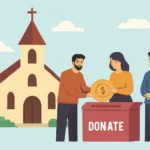
Church fund raisers play a vital role in sustaining faith-based programs, community outreach, and facility upkeep. A well-planned campaign can mobilize volunteers, engage congregants, and attract supporters beyond the church family. This comprehensive guide presents proven ideas for successful church fundraising, with practical steps, diverse formats, and best practices that respect ethical standards, legal requirements, and the values at the heart of a faith community. Whether you are organizing community events, launching an online giving initiative, or pursuing a major capital campaign, you will find actionable insights to maximize impact while nurturing trust and participation.
Before you launch any fundraising effort, establish a solid foundation. Strong planning, a compelling case for support, and robust governance are the cornerstones of lasting success. The following elements help ensure that every fundraising effort aligns with your church’s mission and values.
Set clear goals and budgets
Define measurable objectives for the campaign period, such as a target amount, number of donors, or participation rate.
Develop a realistic budget that accounts for event costs, marketing materials, invoicing, and contingency funds.
Link goals to concrete programs (e.g., “$60,000 for a new lighting system” or “$25,000 for youth outreach kits”).
Build a compelling case for support
Articulate why the funds are needed now and how the project aligns with the church’s mission and values.
Use stories, impact statements, and clear outcomes to illustrate the transformation donors can enable.
Provide a transparent plan for how gifts will be used and reported.
Assemble a strong fundraising team
Create a volunteer leadership committee with diverse gifts and skills (planning, communications, hospitality, technology).
Assign clear roles: campaign chair, volunteer coordinators, donor relations, event leads, and a finance steward.
Provide training on ethics, privacy, and stewardship so volunteers represent the church with integrity.
Establish donor stewardship practices
Develop a donor acknowledgement process that includes timely receipts, personalized notes, and public or private recognition as appropriate.
Track donor interactions and gifts in a simple CRM or database to maintain continuity and build relationships over time.
Offer ongoing updates about progress and impact, reinforcing the connection between generosity and outcomes.
Plan with inclusion and accessibility in mind
Ensure events and online platforms are accessible to people with disabilities and available to a broad audience.
Provide multiple giving options (online, text-to-give, in-person, mail) to accommodate preferences.
Consider language and cultural sensitivity to welcome diverse members and neighbors.
In-Person Fundraising Ideas
Face-to-face activities remain powerful for building community, encouraging generosity, and showing tangible impact. Below are a range of in-person church fund raisers that can be adapted to different congregations, sizes, and budgets.
Gala and dinner auction
A formal event combines fellowship with fundraising. Plan a cohesive evening that includes a program, live or silent auction, and a clear appeal for gifts.
Choose a theme that resonates with the church’s mission or a milestone anniversary.
Offer a mix of live auction items (e.g., local experiences) and silent auction items (e.g., crafts, services).
Provide ticketing options and a sponsorship ladder for generous supporters who want to underwrite the event.
Tips for success: start early with a planning timeline, recruit a lively auctioneer, and partner with local businesses for donated items. Communicate dress code, schedule, and how proceeds will be used. Emphasize the impact of giving in your messaging during the program.
Community concert or talent show
Use music, drama, or comedy to engage the community while highlighting the church’s mission.
Invite local artists, choir groups, and student performers to participate.
Sell tickets or accept donations at the door, with a suggested giving level for families.
Offer a brief presentation about the campaign between acts to maintain momentum.
Bake sale, food festival, or culinary fundraiser
Food-centered fundraisers draw crowds and often require modest upfront investment.
Theme the event (e.g., “Desserts and Delights” or “International Flavors”) to create variety.
Coordinate volunteer bakers or community cooks to prepare items; ensure safety and labeling.
Offer take-home options and online pre-orders to increase turnout.
Car wash and service projects
A practical, family-friendly option that produces visible results.
Combine car washes with other quick fundraisers (mini-pest control, lawn care, or yard work) for a community service day.
Use clear signage about the fundraising goal and how funds will be used.
Document the event with photos to share donor impact stories afterward.
Raffle and sweepstakes (with legal compliance)
Raffles can raise significant funds when permitted by local laws, but require careful planning.
Check local or state regulations and obtain required licenses; be transparent about odds and prize distribution.
Offer meaningful prizes donated by families or local businesses to maximize participation.
Provide multiple entry channels (in-person, online) to broaden reach while maintaining compliance.
Fellowship dining evenings and your favorite things
Intimate gatherings, such as potlucks with a twist or “dine with the pastor” evenings, can energize a congregation and community supporters alike.
Highlight a specific funding goal for the evening and acknowledge donors during the event.
Offer a brief program sharing stories of impact and a clear call to action for ongoing giving.
Encourage attendees to invite neighbors and friends who are not yet part of the church family.
Online and Digital Fundraising Ideas
Digital strategies expand reach beyond the church walls, enabling continuous giving and broad-based engagement. The following ideas maximize online accessibility and donor convenience.
Online giving pages and donation widgets
Implement a secure, easy-to-use online giving page with recurring giving options and suggested gift levels.
Integrate with church management software (or a lightweight CRM) to capture donor data and track trends.
Offer a dedicated page for specific campaigns (building fund, mission work, youth programs).
Recurring giving programs
Encourage donors to set up monthly gifts to provide predictable, long-term support.
Provide options for annual, quarterly, or semi-annual gifts with reminders and impact updates.
Recognize long-term donors and share milestones to reinforce ongoing engagement.
Crowdfunding campaigns
Use well-structured campaigns for capital projects, technology upgrades, or mission initiatives.
Tell a compelling story with a tight timeline, clear milestones, and transparent use of funds.
Leverage social proof by highlighting progress bars, donor contributions, and impact statements.
Text-to-give, QR codes, and mobile giving
Provide simple mobile options to accommodate on-the-go donors and visitors.
Place QR codes on program slides, bulletins, and event signage for quick access.
Prominently display how gifts are allocated and the impact they enable.
Social media campaigns and email appeals
Run targeted campaigns on platforms where your community is active, with clear calls to action.
Share impact stories, behind-the-scenes content, and short videos to personalize the appeal.
Employ a consistent schedule: teaser posts, launch announcement, mid-campaign progress, and final push.
Virtual events and online auctions
Host virtual trivia nights, online talent showcases, or live-streamed service days to keep engagement high.
Incorporate automated bidding or real-time donation tracking to foster friendly competition and momentum.
Provide incentives for early giving and milestone gifts to sustain momentum.
Capital Campaigns, Building Funds, and Major Gifts
Major initiatives, such as facility upgrades or mission center expansions, require a structured approach that includes spiritual motivation, clear goals, and a stewardship mindset. Below are guidelines to design and execute high-impact capital campaigns.
Define the scope and timeline
Outline the project’s scope, estimated cost, and phased milestones.
Set a realistic campaign timeline, with a quiet phase for leadership gifts and a public phase for broader participation.
Prepare a formal prospect list and a strategic plan for donor outreach.
Develop a donor-centric case for support
Explain how the space or program enhances ministry, outreach, and community well-being.
Provide architectural visuals or renderings to help donors envision the impact.
Share anticipated utilities, maintenance costs, and return on investment for the church and community.
Engage major gift officers and leadership donors
Identify potential major donors within the congregation and among partners in the broader community.
Schedule private briefings with the campaign chair and senior church leaders.
Offer naming opportunities and recognition that are meaningful and appropriate within church leadership norms.
Recognition, accountability, and ongoing stewardship
Provide transparent reporting on progress, gift allocations, and milestones achieved.
Offer annual impact reports and regular updates to all supporters, not just major donors.
Honor donors in alignment with their preferences, whether public or private.
Grant Seeking, Partnerships, and External Support
Churches can broaden their fundraising portfolio by seeking grants, collaborating with partner organizations, and forming community coalitions. While grants are not the primary source of church funding, they can complement local giving when aligned with mission-driven projects.
Grant research and eligibility
Identify grant opportunities from foundations that support faith-based programs, youth initiatives, education, and community development.
Thoroughly read eligibility criteria and ensure your project aligns with funder priorities.
Prepare concise project summaries, budgets, and measurable outcomes tailored to each grant.
Grant writing and submission
Develop compelling narratives that connect your mission with funder goals.
Include a detailed budget, timeline, and plan for evaluation and reporting.
Respect deadlines and maintain a calendar to track submissions, renewals, and renewals.
Community partnerships and sponsorships
Invite local businesses to sponsor events or programs in exchange for visibility and alignment with community values.
Offer tiered sponsorship packages that include signage, program listings, and recognition in communications.
Collaborate with schools, charitable organizations, and other faith groups to broaden impact and reduce duplication of effort.
Donor Stewardship, Recognition, and Community Relationships
Effective stewardship turns donors into long-term partners. A thoughtful approach to recognition, communication, and relationship-building helps sustain enthusiasm and trust across generations.
Communication that matters
Provide regular updates on how funds are being used, progress toward goals, and personal stories of impact.
Use a mix of letters, emails, newsletters, and brief videos to keep messaging fresh and accessible.
Respect donor preferences for privacy and public recognition; offer opt-out options for public mention.
Donor recognition programs
Establish tiered recognition levels that are meaningful yet respectful within the church context.
Highlight volunteers and donors in church bulletins, on a donor wall, or during services where appropriate.
Celebrate milestones (annual giving anniversaries, campaign milestones) with personalized messages and thank-you events.
Measurement, Evaluation, and Continuous Improvement
Successful fundraising programs rely on data-informed decisions. Establish simple metrics, monitor them regularly, and adjust tactics based on results and feedback.
Define success metrics
Total funds raised, number of donors, average gift size, and donor retention rate.
Participation across age groups, ministries served, and geographic reach.
Cost-to-raise ratio and return on investment for each campaign or event.
Monitor and adapt
Track donor feedback, event attendance, and digital engagement to identify opportunities for improvement.
Run post-campaign debriefs with the planning team to capture lessons learned and best practices.
Implement process improvements promptly—simple changes can yield meaningful gains over time.
Transparency and accountability
Publish a concise annual report that covers income, expenses, and program impact related to fundraising.
Provide clear financial statements to the congregation and to major donors, as appropriate.
Maintain compliance with relevant church and charitable organization requirements to protect the church and its supporters.
Common Pitfalls and How to Avoid Them
Every fundraising effort encounters challenges. Being aware of common pitfalls helps you respond quickly and maintain trust with your community.
Overpromising, underdelivering
Be honest about what funds will accomplish and provide realistic timelines for impact.
Avoid pledging outcomes that cannot be met; instead, offer phased goals and frequent progress updates.
Insufficient planning or scope creep
Start with a detailed plan and a documented scope; revisit the plan at key milestones to prevent scope drift.
Keep the campaign focused on a few well-defined goals rather than trying to do everything at once.
Underestimating the power of volunteers
Recruit early, provide clear roles, and celebrate volunteers publicly to maintain motivation.
Offer training and resources to help volunteers feel confident in their responsibilities.
Disconnection between mission and fundraising
Always tie fundraising activities back to the church’s mission and the real-life impact on people’s lives.
Share stories that illustrate the outcomes of generosity and how the community benefits.
Neglecting donor stewardship
Donor stewardship should be continuous, not limited to the campaign period. Maintain ongoing communication and appreciation.
Make it easy for donors to stay engaged with updates, invitations to events, and opportunities to give again.
Best Practices for Every Church Fundraising Effort
Clarity: Make the purpose, goals, and impact crystal clear in all materials.
Transparency: Be open about how funds are used and provide regular progress reports.
Inclusivity: Design events and campaigns that welcome diverse voices and abilities.
Accessibility: Offer multiple giving channels and ensure digital platforms are easy to use for all ages.
Ethics: Adhere to legal requirements and ethical fundraising standards; protect donor information.
Storytelling: Use compelling narratives that connect gifts to real improvements in people’s lives.
Stewardship: Focus on stewardship as an ongoing practice, not a one-off appeal.
Practical Tools and Resources
To support effective church fundraising, consider these practical tools and resources. They can help you manage operations, measure performance, and communicate with donors more effectively.
Donation platforms with security, tax-deductible receipts, and mobile options.
Volunteer management software to coordinate teams, assignments, and schedules.
Communication templates for email, letters, and social media posts to maintain consistency.
Event planning checklists to ensure nothing is overlooked in the run-up to a fundraising event.
Impact reports that translate gift amounts into real-world outcomes.
Putting It All Together: A Step-by-Step Roadmap
If you are starting from scratch or refreshing an ongoing effort, consider this practical roadmap to organize and execute a successful church fundraising program.
Assess needs and define a clear, mission-aligned goal that justifies the campaign.
Build a core team with roles in planning, communications, logistics, donor relations, and finance.
Develop the case for support with stories, impact statements, and a transparent budget.
Choose a mix of fundraising strategies (in-person events, online giving, and targeted campaigns) that fit your congregation.
Create a communications plan that includes branding, messaging, timelines, and channels.
Launch a quiet phase to secure leadership gifts before a public appeal, followed by a broad outreach.
Implement stewardship practices to acknowledge donors and report progress consistently.
Evaluate and refine after the campaign and apply lessons learned to future efforts.
Conclusion: The Faithful Path to Sustainable Giving
Church fund raisers are not only about reaching a financial target; they are about strengthening the bonds of community, inspiring generosity, and expanding the church’s capacity to serve. By combining thoughtful planning, ethical practices, diverse fundraising formats, and trustworthy stewardship, a congregation can cultivate a healthy culture of giving that endures across generations. Whether you call it a church fundraising drive, a faith-based giving campaign, or a community fundraising initiative, the core ideas are the same: a well-defined goal, a compelling case, active volunteer leadership, inclusive participation, transparent reporting, and ongoing appreciation for the people who choose to invest in something larger than themselves.
As you embark on your next fundraising effort, remember to tailor approaches to your unique church context. Embrace a mix of in-person and online strategies, keep the mission at the center, honor donors and volunteers, and measure progress with kindness and accountability. With careful planning and a hopeful spirit, your church can achieve meaningful results that strengthen ministries, touch neighbors in need, and illuminate the mission you share as a faith community.