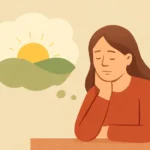
Anxious times can arrive as anxious moments that feel small in isolation but compound when they repeat, becoming times of anxiety that cast a long shadow over daily life. They show up in many forms: a rapid heartbeat before a meeting, a restless night when a deadline looms, or a persistent unease that colors conversations and choices. For some people, these episodes come in bursts—short bursts of nerves that pass quickly. For others, they settle into periods of unease that stretch over days or weeks. The experience is personal, but the goal remains universal: to find paths that restore calm, clarity, and a sense of agency.
In this guide, we’ll explore practical strategies to navigate anxious times, including quick tactics you can use in the moment and longer-term approaches that build resilience. We’ll refer to different expressions to acknowledge the breadth of the experience, from anxious moments to nervous episodes or stressful periods, without losing sight of the shared aim: to regain balance and perspective.
Immediate Tactics for Anxious Moments
Breathing and Bodily Awareness
When anxiety spikes, the body often responds with rapid breathing, shallow chest breaths, or a sense of tightness. Simple breathing practices can interrupt the cascade and restore physical calm and mental clarity.
Box breathing (inhale 4 seconds, hold 4, exhale 4, hold 4). Repeat for 4–6 cycles to steady the nervous system.
Diaphragmatic breathing (belly breathing) by placing one hand on the abdomen and the other on the chest. Breathe so the belly rises with each inhale and falls with each exhale.
5-4-3-2-1 grounding: name five things you can see, four you can touch, three you can hear, two you can smell, and one you can taste. This anchors attention in the present moment.
Grounding Techniques for Quick Stabilization
Grounding is about reconnecting with the here and now, which reduces the tendency for the mind to spiral into worst-case scenarios.
Temperature shifts: run cool water over the face or hold a cold object to disrupt spiraling thoughts.
Physical traction: press your feet into the ground, feel the weight of your body, and notice how it settles into the chair or floor.
Progressive muscle relaxation: tense and release muscle groups in sequence (feet, legs, abdomen, hands, arms, shoulders, face) to disperse built-up tension.
Mini-Mindfulness Practices for Quick Clarity
Even a minute or two of mindful awareness can shift the trajectory of an anxious moment.
Three-breath pause: take three slow breaths, each longer than the last, and notice the rise and fall of the chest.
Nonjudgmental observation: silently observe thoughts as if you are a curious bystander—label them as anxious thought, then return to the breath or a tactile anchor.
Gratitude check: identify one neutral or positive thing in the moment, no matter how small, to shift attention away from threat-focused thinking.
Strategies to Rebuild Calm and Clarity After the Peak
Journaling and Cognitive Reframing
After the intensity of anxious times, reflecting in a constructive way can help you identify patterns, triggers, and effective responses.
Trigger diary: note the situation, what happened, what you felt, and how you responded. Look for recurring themes and consider alternatives you could try next time.
Evidence-based reframing: challenge unhelpful thoughts by asking:
What is the worst that could realistically happen?
What is the likelihood of that outcome?
What is a more balanced interpretation?
Pros and cons list: write the potential benefits and drawbacks of a course of action to gain objective perspective.
Structured Routines That Foster Stability
Predictable routines reduce the cognitive load of daily life, freeing mental energy to respond rather than react to anxious stimuli.
Morning ritual: a consistent sequence—hydration, light movement, a brief plan for the day, and a moment of intention.
Evening wind-down: limit screen time, engage in a relaxing activity, and set a gentle sleep target to improve sleep quality.
Time-blocking: allocate focused blocks for tasks and separate blocks for breaks and self-care to reduce overwhelm.
Physical Activity and Sleep Hygiene
Regular movement and sufficient rest are foundational to managing anxious times. They influence mood, cognitive function, and resilience.
Movement variety: aim for a mix of aerobic activity, strength work, and flexibility. Even brief routines (10–20 minutes) can be impactful on mood.
Consistency over intensity: steadier routines yield more reliable benefits than sporadic bursts of effort.
Sleep priorities: keep a regular sleep window, create a dark and cool sleep environment, and limit caffeine or heavy meals close to bedtime.
How to Talk to Yourself and Others During Anxious Times
Self-Compassion and Internal Dialogue
The way you speak to yourself matters as much as the external advice you receive. Self-compassion acknowledges suffering without harsh judgment and invites a more capable response.
Gentle self-talk: replace harsh phrases with supportive language, such as “I’m feeling overwhelmed right now, and that’s okay.”
Pause before judgment: when a critical thought arises, pause and ask, “Is this thought helpful right now?”
Normalizing anxiety: remind yourself that anxious feelings are a natural human response to threat or uncertainty.
Clear, compassionate communication helps reduce misinterpretations that can worsen anxious times.
Request specific support: instead of saying “I need help,” specify what would be most helpful, such as “Could you listen for 10 minutes without offering solutions?”
Set boundaries: explain what you need to feel safe and supported, especially in high-stress contexts.
Plan for difficult conversations: choose a calm moment, state your feelings using “I” statements, and propose a practical next step.
Environments that are noisy, crowded, or deadline-driven can amplify anxious times. Practical adjustments can maintain performance while protecting well-being.
Environmental tweaks: noise-cancelling headphones, single-task focus, and visible schedules can reduce cognitive load.
Delegation and pace: break large tasks into smaller steps and delegate when appropriate.
Check-in rituals: short, regular wellness checks with a supervisor or teacher can create a safety net for when anxiety spikes.
Long-Term Resilience: Building a Bank of Calm
Mind-Body Practices for Annual Well-Being
Long-term resilience comes from cultivating habits that support mind and body over time, not just during crises.
Meditation and contemplative practice: even brief sessions daily can reduce reactivity and improve attentional control.
Body-focused therapies: approaches such as progressive relaxation, yoga, tai chi, or qigong help regulate the autonomic nervous system.
Breathwork as a toolkit: accumulate a library of breathing techniques you can draw on, depending on the situation.
Thought Work and Cognitive Tools
Cognitive strategies empower you to analyze and reshape your thinking patterns over time.
Thought records: document distressing thoughts, evidence for and against them, and a balanced alternative.
Behavioral experiments: test anxious predictions with small, controlled actions to gather real-world data about risk and outcomes.
Graded exposure: gradually confront avoided situations in a structured way to reduce avoidance-driven anxiety.
Lifestyle Factors That Fortify Calm
A constellation of daily choices builds a platform for steadier emotional weather.
Nutrition and hydration: regular meals, balanced nutrients, and adequate fluids support brain function and energy.
Social connectedness: meaningful relationships provide emotional resources and perspective during anxious times.
Creative expression: hobbies, journaling, music, or art can offer alternative channels for processing stress.
Recognizing When Anxiety Becomes a Sign You Need More Support
Red Flags and When to Seek Help
Some anxious times respond well to self-care, but others may indicate that professional support is useful. Watch for persistent symptoms that interfere with daily functioning.
Interference with daily life: ongoing trouble with work, school, or relationships due to anxiety.
Sleep disruption: chronic insomnia or excessive sleep tied to anxiety.
Physical symptoms: chest pain, shortness of breath not attributable to a medical condition, or panic episodes that feel unmanageable.
Increased avoidance: avoiding essential activities or significant life events due to fear.
Self-harm thoughts: any consideration of harming yourself or feeling that life is not worth living requires immediate help.
Professional Avenues and Self-Help Resources
If anxious times persist or intensify, consider a blend of professional support and continuing self-care practices.
Therapy: cognitive-behavioral therapy (CBT), acceptance and commitment therapy (ACT), or mindfulness-based approaches can be effective.
Medical evaluation: a clinician can assess for underlying conditions, medication needs, or sleep disorders that exacerbate anxiety.
Support networks: peer groups, family support, or community programs can provide practical and emotional backing.
Educational resources: reputable websites, workbooks, and structured programs can guide personal growth.
Creating Environments That Nurture Calm During Anxious Phases
Home and Daily Living Adjustments
Your surroundings influence mood and cognitive load. Small adjustments can yield meaningful relief during anxious times.
Organized spaces: tidy, predictable spaces reduce sensory overload and makes focus easier.
Soothing ambience: soft lighting, calming scents, and quiet music can lower arousal.
Routine concordance: align household routines with your energy patterns to minimize friction and stress.
Community and Work-Life Design
A supportive community and a flexible work environment can buffer anxious times and promote sustainable performance.
Transparent communication: share your needs with coworkers or classmates when possible, especially during busy periods.
Accessible resources: have quick access to breaks, quiet rooms, or wellness apps in workplaces or schools.
Peer support: establish a buddy system or regular check-ins to share coping strategies and celebrate progress.
Digital Well-Being
Technology can either amplify anxiety or help manage it. Choose tools that support balance.
Screen-time boundaries: set boundaries around social media and nonessential notifications, especially during high-stress periods.
Calm apps and trackers: use evidence-based apps for guided breathing, mindfulness, or sleep tracking in controlled ways.
Information diet: limit exposure to distressing news when it contributes to anxious times, and curate reliable sources.
The most effective approach blends quick responses for immediate relief with longer-term strategies that prevent anxious times from eroding well-being. Create a personal toolkit that reflects your preferences, life context, and goals.
Short-term toolkit: 5–10 techniques you can implement in the moment, such as box breathing, grounding, sensory anchors, and a brief journaling prompt.
Mid-term toolkit: structured routines, cognitive reframing, and sleep hygiene practices that stabilize mood across days.
Long-term toolkit: ongoing therapy, social support, meaningful activities, and health habits that build resilience over months and years.
Remember that anxious times are a human experience, not a personal failure. With practice, the strategies outlined here can become automatic responses that help you regain calm, clarity, and a sense of control.
Conclusion: Navigating Anxious Times with Purpose
Across the spectrum of anxious moments to periods of unease, the path to relief is built one deliberate step at a time. Quick, practical techniques can interrupt spirals; structured routines can reduce future susceptibility; and supportive relationships can provide the emotional fuel necessary to sustain progress. By embracing a multifaceted approach—embracing body awareness, cognitive tools, environmental adjustments, and professional support when needed—you can transform anxious times from a disruptive force into an opportunity for growth.
If you’d like, you can share which techniques resonate most for you or ask for a tailored plan that fits your daily routine. The journey toward calm and clarity is ongoing, but with patience and consistency, you can experience a gradual, meaningful shift from the weight of anxiety toward a steadier, more resilient sense of self.