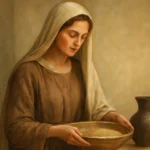
The phrase virtous woman (often rendered as virtuous woman in modern study materials) comes from a celebrated biblical portrait in the book of Proverbs. The chapter commonly known as Proverbs 31 presents a comprehensive, poetic sketch of Eshet Chayil, a Hebrew term meaning woman of valor or woman of noble character. Far from a rigid checklist, this scripture invites readers to consider how integrity, competence, warmth, and faithfulness shape a life that honors God, serves others, and sustains a family and community. In today’s context, the principles embedded in the Proverbs 31 woman can inform personal growth, family life, leadership, and practical stewardship, offering a timeless template for wisdom in action, virtue in daily life, and generosity that benefits the common good.
The image of the virtuous woman is rooted in ancient wisdom literature, where character is weighed alongside deeds. Eshet Chayil translates to a person whose character is proven by deeds, whose life exhibits courage, diligence, and discernment. This portrayal emphasizes not perfection but a consistent orientation toward righteousness in everyday acts: planning and prudence, compassionate care for others, prudent financial habits, and steadfast faith. When readers encounter this portrait, they encounter a standard that invites admiration not for flawless performance but for a pattern of virtue that endures over time.
Key Traits in Proverbs 31
The following traits are commonly highlighted when people study the virtuous woman from Proverbs 31. They are not a legalistic to-do list, but a set of guiding virtues that can be adapted to varied life circumstances.
Industry and diligence — she works with her hands, plans, and executes tasks with consistency.
Wisdom and prudent planning — she considers the future, prepares resources, and shares guidance with others.
Entrepreneurial and responsible stewardship — she manages household and finances with skill and integrity.
Kindness and hospitality — she cares for family and guests, offering generosity and warmth.
Strength and dignity — she faces challenges with resilience and a secure sense of self-worth rooted in God.
Character in speech — her words reveal grace, discernment, and constructive influence.
Spiritual reverence — a foundational fear of the Lord guides daily decisions and long-term plans.
Supportive leadership in family life — she strengthens the home and participates in communal life with discernment.
A balanced reading of Proverbs 31 invites readers to see the virtuous woman as a model of integrated virtue, where wisdom, kindness, and effective action work together to create a flourishing life. The passage also recognizes the context of leadership, responsibility, and service—dimensions that are equally relevant to women and men seeking to cultivate character in contemporary settings.
Virtuous Woman Across Scripture: Variations and Related Passages
To gain semantic breadth and depth, it helps to consider how terms like virtuous woman, woman of noble character, Eshet Chayil, and Proverbs 31 woman appear in scripture and devotional literature. Different biblical phrases emphasize related but distinct aspects of virtue, while remaining anchored in the same core values of integrity, stewardship, and care.
Eshet Chayil — a direct Hebrew rendering meaning woman of valor or worthy woman, highlighting courage and competency under pressure.
Proverbs 31 woman — a label that centers on the chapter’s poetic portrait and its practical applications for life, work, and family.
Wife of noble character — a slightly broader phrase used in some translations to stress marital virtue alongside personal virtue.
Woman of virtue — a phrase used in devotional literature to connect biblical beauty with moral integrity and service.
Across translations, the message remains consistent: true virtue is not merely about outward appearances or social roles; it is about a life shaped by wisdom, mercy, and trust in God. The charms of beauty are acknowledged as fleeting, while the enduring value of the fear of the Lord and practical wisdom is highlighted as the true crown for a woman or a person who seeks to live with virtue.
Principles for Today: How to Apply Proverbs 31 in Modern Life
Applying the ideals of the Proverbs 31 woman in the 21st century involves a thoughtful blend of timeless wisdom with contemporary practicality. The following principles translate the ancient portrait into actionable habits that can empower individuals, households, workplaces, and communities. Each section includes practical steps you can adapt to your unique life context.
1) Grounding Life in Faith and Fear of the Lord
A central motif in the virtuous woman narrative is a life oriented toward God. The fear of the Lord is presented as the foundation of wisdom and the source of lasting virtue. In practice, this means situating decisions within prayer, seeking guidance from scripture, and cultivating a posture of humility before God.
Daily quiet time and personal devotion as a rhythm for shaping character.
Prayerful decision-making in finances, family matters, and relationships.
Seeking wise counsel from mentors, elders, or trusted friends who share a godly perspective.
2) Diligence and Work Ethic
From the opening lines of Proverbs 31, work ethic is praised as a virtue that fuels stability and generosity. In today’s world, diligence can take many forms—from homemaking and caregiving to professional entrepreneurship and community service.
Strategic planning for household priorities, savings, and long-term goals.
Consistency in tasks—whether cooking, cleaning, budgeting, or career development.
Quality and excellence in the work you undertake, not merely compliance with minimum standards.
3) Financial Stewardship and Resource Management
The virtuous woman models prudent stewardship, aligning resources with needs, generosity, and future security. This theme remains vital for families, singles, and communities today.
Budgeting with purpose and transparency about income, expenses, and goals.
Saving and investing wisely to provide for emergencies and future opportunities.
Sharing generously with the needy and with ministries or community initiatives that align with your values.
4) Hospitality, Mercy, and Community Life
Hospitality and compassion are prominent in the Proverbs 31 portrait, showing how a virtuous life extends beyond personal gain to care for guests, neighbors, and the vulnerable.
Opening your home and table to others with warmth and practicality.
Listening with empathy and offering helpful counsel to those in need.
Volunteerism and service in local charities, schools, or faith communities.
The virtuous woman speaks with precision, kindness, and responsibility. In modern life, wise communication preserves relationships, governs conflict, and leads teams with integrity.
Guarding speech to avoid harm and to promote healing and encouragement.
Conflict resolution using nonviolent, constructive approaches.
Mentorship of others—sharing knowledge, skills, and values to empower new generations.
6) Strength, Dignity, and Emotional Resilience
In Proverbs 31, strength and dignity combine with a hopeful outlook. Modern readers are invited to cultivate emotional resilience and a steadfast sense of self-worth rooted in divine purpose.
Healthy boundaries that protect personal energy and time for important commitments.
Self-care that honors physical, mental, and spiritual well-being.
Hope and courage when faced with uncertainty, embracing the belief that prudent action can transform difficult circumstances.
7) Proactive Planning for the Future
One of the enduring messages is proactive planning—not doom-driven anxiety, but thoughtful preparation with a hopeful outlook. This aligns with modern concepts of personal agency and responsible decision-making.
Long-range planning for education, career, or family needs.
Skill development to respond to changing environments and opportunities.
Ethical choices that build trust and long-term credibility.
Common Misunderstandings and a Balanced Perspective
Several well-meaning readers encounter common misunderstandings when engaging with the portrait of the virtuous woman. A balanced perspective helps avoid unfair comparisons and legalistic pressure while embracing the core intent of Proverbs 31.
Not a universal standard of perfection for every woman in every situation. The text points to an ideal of character, not a rigid script that must be replicated in every circumstance.
Context matters — the portrait reflects an ancient Near Eastern social and family structure. Its principles translate into modern settings through adaptable practices rather than literal reproduction.
Value for men and non-binary readers — though the text centers a woman, the underlying virtues—wisdom, diligence, generosity, and faith—are universally valuable and can guide all people toward virtue and responsible leadership.
Internal beauty vs. external appearance — the text emphasizes inner virtue over outward charm, while acknowledging that genuine beauty grows from a life aligned with moral and spiritual truth:
Grace under pressure — the virtuous life is not free from hardship; it is characterized by steadiness, courage, and hopeful action even in difficult days.
Practical Exercises and Devotional Ideas
To move from study to practice, consider a structured, practical approach. The following activities can help individuals and families integrate the principles of the virtuous woman into daily life.
Seven-day devotional plan — Spend a few minutes each day meditating on one trait from Proverbs 31 (e.g., diligence, wisdom, kindness) and journal a specific action you can take that day to reflect that trait.
Weekly family reflection — Dedicate one evening to discuss how each family member demonstrates virtue, supporting and encouraging one another.
Stewardship audit — Review current finances, budgeting, and charitable giving. Identify small, sustainable ways to improve financial health and generosity.
Hospitality experiment — Invite a neighbor or friend to share a simple meal or a listening conversation, focusing on warmth, accessibility, and care.
Mentorship circle — Create a small group to read a passage from Proverbs 31, share insights, and encourage one another toward responsible leadership and service.
What does the fear of the Lord look like in my decisions today? Describe three concrete examples from the past week.
In what ways can I cultivate dignity and strength? List two activities that nurture resilience and apply them this week.
How can I steward resources more faithfully? Identify at least one habit to reduce waste or increase generosity.
What steps can I take to improve my speech? Consider one conversation where you can practice listening first, speaking kindly, and offering constructive feedback.
Examples of Virtue in Action: Scenarios for Today
Seeing the virtuous woman as a living example helps translate ancient wisdom into everyday life. Consider these scenario-based illustrations that reflect the spirit of Proverbs 31 in contemporary contexts.
Family leadership — A parent organizes routines that balance work, school, and family time while modeling patience, fair discipline, and affectionate accountability.
Workplace integrity — A professional demonstrates reliability, ethical decision-making, and a collaborative leadership style that elevates teammates rather than competing at their expense.
Entrepreneurship with ethics — An entrepreneur builds a business on transparent practices, fair labor, and generosity toward community initiatives.
Community service — A neighbor coordinates a local food drive, leveraging community networks and resources to meet urgent needs while fostering a spirit of unity.
The portrait of the virtuous woman in Proverbs 31 offers more than a historical portrait; it offers a living invitation to cultivate a character marked by wisdom, courage, and compassion. By interpreting Eshet Chayil as a call to practical virtue—combining faith with diligent action—readers can apply these principles in nuanced ways that honor God, strengthen families, serve communities, and advance personal integrity. The timeless message remains clear: true value lies not in outward adornment or social standing alone, but in a consistently virtuous life that bears fruit in daily choices.
Virtuous woman bible scripture and its related phrases—whether you call it the woman of noble character, the Proverbs 31 woman, or Eshet Chayil—speaks to the same core reality: a life rooted in virtue and faith has transformative power. When modern readers engage these scriptures with reverence, curiosity, and practical intent, they discover a rich resource for personal growth, marriage, parenting, leadership, and community involvement. May this ancient portrait inspire fresh courage, clear purposes, and generous actions as you pursue a life of true virtue in today’s world.