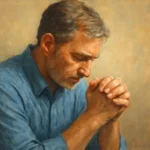
Prayer is a practice found in nearly every culture and faith tradition, yet its value is not limited to a single doctrine or creed. At its core, prayer is a conversation with something larger than the self—whether that is God, a higher power, the universe, or the depths of one’s own conscience. It is a habit that can shape thoughts, emotions, and actions. In this article, we explore 10 distinct reasons why we pray, offering a broad view that honors diverse experiences and helps readers discover what prayer can mean in their own lives. From meaning and purpose to hope in difficult times, prayer is not simply about asking for favors; it is about cultivating a posture of attention, humility, and care.
Throughout the sections that follow, you will encounter variations of how prayer is described and practiced across traditions. Some words may sound familiar—gratitude, intercession, supplication, contemplation—yet the underlying thread remains constant: prayer invites us to slow down, listen, and respond. Whether you approach prayer as a ritual, a spontaneous smile to the divine, or a moment of inward silence, the ten reasons below aim to illuminate why people choose to pray and how that choice can nourish the inner life, support relationships, and sustain hope.
Reason 1: Prayer as a Path to Meaning and Purpose
One of the most enduring motivations for prayer is the search for meaning and purpose in life. When days feel busy, noisy, or overwhelming, prayer can act as a pause button that makes room for reflection. To pray is often to ask questions about what matters most, to examine one’s values, and to anchor daily actions in something larger than personal gain.
Clarifying values: In quiet moments, people name what they hold dear—family, justice, compassion, honesty—and let those values guide decisions.
Integrating life experiences: Prayer helps connect joys and sorrows to a larger narrative, turning ordinary events into meaningful chapters.
Fostering intentional living: By articulating intentions, believers set a direction for their choices and behaviors.
Building resilience across time: When meaning is present, setbacks can be reframed as part of a larger story rather than as the end of the road.
Practical takeaway
Try a short daily practice that names one value you want to live by that day, and reflect on how your actions align with it.
Meaning-making through prayer is not an escape from difficulty; it is a way to participate in a larger conversation about what matters. Across traditions, people report that this process helps them stay rooted when external circumstances are unstable, and it invites a slower, more deliberate pace in decision-making.
Reason 2: Prayer as a Bridge to Connection and Relationship
Humans are inherently social creatures, and prayer often strengthens ties—whether with the divine, with community, or with one’s own inner life. In many traditions, prayer is an act of communion that nurtures relationship, creates solidarity, and invites mutual care.
Communion with the sacred—a sense of staying in conversation with something greater than oneself.
Bonding with others—shared prayers or rituals can deepen trust and solidarity within a community.
Empathy and intercession—asking for others’ well-being strengthens concern and action on behalf of others.
Intergenerational connection—prayer can pass down stories, values, and traditions from one generation to the next.
Congregational worship, family blessings, or communal meditation circles are all forms of collective connection.
When prayer becomes a bridge to relationship, it supports not only personal peace but communal health. The sense that one is held by a larger circle—whether divine or human—can reduce isolation and cultivate a sense of belonging, which is essential for emotional well-being.
Reason 3: Prayer as a Tool for Emotional Regulation and Calm
Many people discover that prayer helps regulate emotions in the midst of turmoil. The act of turning inward, slowing the breath, and naming concerns can reduce stress, mitigate rumination, and invite a calmer center in the mind.
Breath and rhythm: Repetitive prayers or chants can synchronize breathing and heart rate, creating bodily calm.
Movement from chaos to stillness—a shift from frantic thoughts to focused attention.
Nonjudgmental listening—choosing to be present with feelings without immediately trying to fix everything.
Reframing anxious thoughts—prayer can reframe fear as a temporary state within a larger story.
A guided practice
Set a timer for 5–10 minutes, sit comfortably, breathe slowly, and repeat a simple phrase that expresses your current concern and your desire for guidance or peace.
The emotional regulation benefits of prayer are widely discussed in psychology and spirituality alike. Even when outcomes aren’t dramatic, the practice of pausing to attend to feelings can improve mood, reduce reactivity, and increase a sense of control over one’s responses.
Reason 4: Prayer as Hope, Comfort, and Resilience in Adversity
When life is hard, prayer often becomes a source of comfort and a wellspring of hope. It can acknowledge pain while also opening a space for possibilities that extend beyond current difficulties.
Hope under pressure—imagining a future where circumstances shift toward healing or relief.
Comfort in uncertainty—appreciating a steady practice when outcomes are unpredictable.
Meaningful patience—learning to wait with trust rather than with fear.
Perceived support—feeling carried by something larger than oneself during crises.
Stories of resilience
Across cultures, testimonies of endurance often mention prayer as a companion in hardship. It does not erase pain, but it can soften fear and sustain courage to face tomorrow. In many traditions, the act of praying for resilience itself reinforces the belief that strength is not only a personal achievement but a shared, communal gift.
Prayer frequently invites people to pause and notice the good that surrounds them. Gratitude rituals, even when simple, cultivate a state of mindfulness that redirects attention from scarcity to abundance.
Shifting attention from what’s missing to what’s present and precious.
Acknowledging small mercies—the kindness of others, a moment of beauty, a safe shelter.
Practicing abundance—recognizing that life unfolds with both loss and gift.
Transforming habit into virtue—repeated acts of gratitude can become enduring dispositions.
By naming what we are grateful for, prayer can reframe daily life. It turns routine into ritual and familiarity into reverence. This kind of gratitude is associated with improved mood, stronger relationships, and greater life satisfaction, making prayer a practical tool for mental well-being even for those who do not identify with a particular faith tradition.
Reason 6: Prayer as Guidance for Moral Clarity and Decision Making
In moments of choice—whether small daily decisions or major life directions—people turn to prayer for guidance and clarity. The process can slow down impulsive reactions and invite deeper consideration of consequences, ethics, and responsibilities to others.
Discernment over impulse—a pause that helps distinguish what one truly values from what is urgent.
Conscience refinement—prayer can sharpen moral awareness and encourage honesty with oneself.
Seeking wisdom beyond self—asking for insight that acknowledges others’ needs and well-being.
Alignment with values—prayer can serve as a check that actions align with core principles.
Practical guidance
Before making a tough decision, write down the options, the values involved, and a short prayer or reflection asking for wise discernment.
The aim is not to produce certainty where there is ambiguity, but to invite moral imagination and principled courage in the face of difficult choices. People from many traditions report that this practice helps them act with more integrity and compassion.
Reason 7: Prayer as Practice for Community Service and Compassion
Prayer often extends beyond the quiet of a room into the rhythms of daily life, encouraging people to translate intention into action. When prayer moves into advocacy, service, and solidarity, it becomes a catalyst for social care and compassionate action.
Intercession in action—prayers for others often inspire concrete acts of help and support.
Building a culture of care—shared prayer can create norms of generosity and responsibility.
Community service alignment—people synchronize spiritual intentions with volunteer work, charity, or outreach programs.
Ethical accountability—prayer can remind communities to stay accountable to their stated values and goals.
When practiced collectively, prayer can become a force for good that extends far beyond the walls of a temple, mosque, church, or meditation hall. It invites believers to act with more tenderness and to invest time, resources, and energy in ways that uplift those who are most vulnerable.
Reason 8: Prayer as a Space for Silence, Reception, and Transformation
Not all prayer is about words or petitions. A powerful aspect of prayer is silence and receptivity—learning to listen to what lies beyond speech. This receptive dimension can open space for personal transformation, new possibilities, and a deeper sense of inner life.
Listening beyond noise—quiet moments allow thoughts to settle and insights to emerge.
Receiving grace or insight—some people describe a sense of being guided or refreshed in moments of stillness.
Transformational practice—consistent practice can alter patterns of thinking, feeling, and relating to others.
Nondual awareness—for some, prayer points to a unity with all beings, reducing ego-centered concerns.
The transformative potential of silence in prayer is well documented in contemplative traditions. Even for those who do not adhere to a specific doctrine, making space to listen can shift perspectives, reduce hostility, and foster a more compassionate approach to life.
Reason 9: Prayer as a Habit of Discipline, Structure, and Routine
Habits matter. A regular practice of prayer introduces discipline and structure into daily life, which can create a reliable anchor in an uncertain world. This routine supports consistency, fosters self-control, and can be especially helpful during times of change or disruption.
Routine as stability—a predictable practice helps weather upheavals and maintain a sense of order.
Intentional pacing—set times for prayer can create spacing in a day for reflection rather than rushing through tasks.
Habit formation—repetition strengthens commitment and makes the practice easier over time.
Self-discipline—cultivating restraint and focus in one moment can spill over into other aspects of life.
The moral sociology of prayer emphasizes that routine practices shape character. By embedding prayer into daily life, individuals may find themselves acting with greater patience, generosity, and attentiveness to others, even when they do not feel overtly spiritual.
Reason 10: Prayer as Hopeful Dialogue, Personal Growth, and Transformation
The final reason—and perhaps the most expansive—is the prospect of ongoing dialogue, growth, and transformation through prayer. This is a dynamic vision: prayer is not just about receiving answers; it is about being opened to new questions, learning, and evolving in response to life’s complexity.
Open-ended dialogue—prayer invites ongoing conversation rather than final conclusions.
Personal evolution—as belief, emotion, and practice deepen, people often notice shifts in identity and purpose.
Creative reframing—prayer can unlock creative ways to respond to problems and relationships.
Hopeful horizon—a sustained sense of possibility, even when outcomes are uncertain or slow to arrive.
This expansive view frames prayer as a lifelong journey rather than a one-time request. It acknowledges that growth may take forms beyond immediate relief or dramatic answers—sometimes the most meaningful changes emerge gradually, as prayers shape character, perspective, and the way one engages with the world.
Conclusion: Integrating Meaning, Benefit, and Hope Through Prayer
Prayer, in its many forms, offers a multifaceted resource for living with intention, care, and courage. By exploring the 10 reasons above—each with its own language and emphasis—readers can appreciate how prayer can be more than a ritual: it can be a daily practice that nourishes the inner life, strengthens relationships, and sustains hope in times of uncertainty. Whether one leans on tradition or finds nourishment in personal reflection, the core idea remains: prayer invites attention, invites humility, and invites action that aligns with the best in us.
If you are new to prayer, you might start with a simple practice: a few moments of quiet, a sentence that expresses what you need or hope for, and a note of gratitude for something you witnessed that day. If you are exploring prayer within a community, notice how the shared experience of prayer feels—whether it brings belonging, clarity, or compassion. And if you are returning to prayer after a break, your renewed curiosity might be the first seed of a deeper journey. In any case, the ten reasons outlined here can serve as a guide to approaching prayer not as a method to obtain something, but as a path toward greater meaning, connection, and hope.