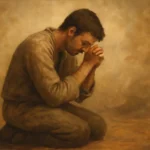
Introduction: Christianity, Sin, and the Quest for Restoration
In the broad family of traditions that identify as Christianity, the problem of sin is not a mere list of bad deeds but a fundamental condition that touches the heart, mind, and will. The biblical narrative presents sin as a disruption of the intended relationship between God and humanity—an estrangement that has deep moral, spiritual, and communal consequences. Yet within the Christian story there is also a parallel emphasis on grace and redemption, the means by which God acts to restore what sin has damaged. This article surveys what the Bible teaches about sin, how grace works, and how redemption unfolds across different Christian traditions, while keeping the discussion rooted in Scripture and core Christian doctrine.
What is sin?
The word sin conveys multiple, closely related ideas. In biblical languages, terms such as the Hebrew chattā’ and the Greek hamartía point to a failure to meet a standard—usually the divine standard set by God. In a broad sense, sin can refer to a concrete transgression (a violation of a specific command), a persistent offense against God, or a more generalized sinful condition within the human heart. Across Christian traditions, scholars speak of sinful nature or fallen humanity, a state that influences thoughts, desires, and actions.
Important distinctions often appear in Christian teaching:
Sin of commission: doing what ought not to be done (actively breaking a command).
Sin of omission: failing to do what should be done (neglecting a rightful duty or mercy).
Actual sin: concrete acts that violate God’s will, as opposed to a purely theoretical condition.
Structural or communal sin: systemic patterns—sin that lies within communities, institutions, or cultures—that harm people and distort justice.
Christians also distinguish personal sin from original sin or inherited brokenness. While views differ on the extent and mode of inherited guilt, most Christian traditions affirm that humanity bears a tendency toward self-centeredness and rebellion against God, a condition that makes salvation and forgiveness both necessary and possible through God’s initiative.
Sin in the Bible: from the Fall to the Gospel
Old Testament foundations: the fall, law, and conscience
The opening chapters of the Bible describe how humanity’s disobedience in the Garden of Eden introduced sin and brokenness into creation. Subsequent biblical narratives show that sin is not merely about private piety but about rebellion against God’s order and care. The Mosaic Law then clarifies the divine standard, revealing how transgression functions in daily life—how people fail to love God fully and fail to love their neighbors justly. The law also teaches about consequences, repentance, and the possibility of cleansing through sacrifice, ritual, and devotion.
In the Hebrew Scriptures, the interplay of judgment and mercy becomes a central motif: God desires repentance more than sacrifice, and God’s mercy invites the people to turn from destructive patterns toward justice and righteousness.
New Testament perspectives: Christ, cross, and new life
The New Testament presents sin as not only a personal failing but a cosmic force that misleads and wounds humanity. The coming of Jesus is interpreted as a decisive intervention: God acts to heal the broken relationship through the person and work of Christ. In the Gospels, Jesus challenges both external conformity and inner selfishness, teaching that inner motives matter as much as outward actions.
The apostolic writings emphasize that through faith in Jesus, humans are invited into a new relationship with God characterized by grace and transformed living. Critics and teachers within early Christianity explain how the forgiveness and the power of the Holy Spirit enable believers to overcome the habit of sin and grow in righteousness.
Key biblical themes about sin
Sin separates people from God and from the fullness of life God intends.
Law and gospel: the law reveals sin, while the gospel reveals forgiveness and new life in Christ.
Repentance is a turning away from sin and toward God, enabled by grace.
Judgment and accountability are real, but God’s mercies are greater than human failure.
Grace: God’s gift to overcome sin
A central emphasis across Christian traditions is grace—God’s unmerited favor extended to sinners. Grace is not simply pardon; it is a transformative power that enables faith, repentance, and a reorientation of life. In Catholic, Orthodox, and Protestant frameworks, grace is the means by which humans are drawn into communion with God and made capable of living justly.
The biblical idea is that salvation does not come by human effort alone but as a response to God’s initiative. Faith, repentance, and baptism or conversion are often described as the human responses that cooperate with divine grace. While differences exist in emphasis, most Christian traditions affirm that grace is the primary instrument by which God reconciles sinners to Himself.
Grace in different Christian theologies
Imputed righteousness (often associated with some Protestant traditions): God credits Christ’s righteousness to the believer, though the believer remains inseparably connected to Christ’s life and work.
Infused righteousness (often associated with Catholic and some Orthodox thought): God’s grace sanctifies the believer, imparting actual holiness over time through cooperation with the Spirit and participation in the sacraments.
Theosis or deification (particularly in Eastern Christianity): grace is transformative in a way that makes the believer more like God in character and participation in divine life.
Redemption and salvation: what God accomplishes through Christ
Redemption refers to the rescue and renewal God offers to humanity. In Christian faith, redemption is accomplished through the life, death, and resurrection of Jesus. This act is often described using multiple metaphors: purchase, reconciliation, liberation from bondage, and victory over sin and death. The idea is not merely to forgive wrongs but to restore damaged relationships and create a new community oriented toward love, justice, and service.
Salvation as deliverance and renewal
Salvation in Christian terms encompasses present experience and future hope. In the present, believers experience transformation—a growing ability to resist sin, to love others well, and to live with integrity. In the future, believers anticipate eternal life in the presence of God. Different Christian traditions stress various aspects of salvation:
Justification by faith: God declares the believer righteous on the basis of Christ’s work, not merely human merit.
Sanctification: the ongoing process of becoming holy through the Spirit’s work in a believer’s life.
Glorification: the final transformation when sin is fully removed and believers dwell in God’s presence.
Different atonement theories in Christian thought
The atonement is the set of ideas describing how Christ’s death and resurrection accomplish reconciliation. Christians have proposed several atonement models, each highlighting a different facet of redemption:
Penal substitution: Jesus bears the punishment due to sinners, satisfying divine justice and making forgiveness possible.
Moral influence: Christ’s life and example move people toward repentance and love.
Christus victor: Jesus defeats hostile powers of sin and death, liberating humanity.
Ransom and examples approaches: various ways of speaking about liberation and ethical imitation.
The person and work of Jesus: the center of Christian hope
Across Christian traditions, Jesus is understood as the unique source and center of redemption. The divine Son, through incarnation, demonstrates perfect obedience, bears humanity’s brokenness, and defeats the power of sin and death through the cross and resurrection. Central questions concern who Jesus is (the Son of God, the Messiah, the Saviour) and what he accomplishes (forgiveness, renewal, reconciliation).
Christological horizons
Identity: Jesus as fully divine and fully human in one person, the image of God who reveals the Father.
Mission: Jesus comes to seek and save the lost, to bind up the brokenhearted, and to inaugurate the Kingdom of God.
Impact: through Jesus, sinners are reconciled to God, and communities are formed that live by justice, mercy, and humility.
The church, sacraments, and practice: living out forgiveness
The way a Christian community lives out forgiveness and resist sin often centers on practices that embody grace. The church, in its various expressions, seeks to nurture faith and moral formation through worship, scripture, teaching, prayer, and sacraments. These means of grace are understood differently across traditions, but all share a conviction that God meets people in community and empowers them to grow in righteousness.
Sacraments and disciplines as channels of grace
Sacraments such as baptism and the Eucharist (or Lord’s Supper) are widely recognized as outward signs of inward grace. They symbolize cleansing, renewal, and communion with Christ and with the gathered community. In some traditions, other practices—confession, prayer, fasting, and acts of service—are also seen as vital means by which grace is received and sin is overcome.
Ethical living and spiritual formation
Ethical instruction in Christian communities emphasizes love of God and neighbor as the chief commandment. The moral life in Christianity is not a bare effort to keep rules; it is participation in the Spirit that enables a person to bear good fruit—justice, mercy, integrity, courage, and humility. The struggle with sin is often framed as a lifelong process of repentance, forgiveness, and growth in grace.
Common themes and variations among Christian traditions
Catholic, Orthodox, and Protestant perspectives
While all these streams affirm grace, sin, and redemption, they differ in emphasis and practice. The Catholic and Orthodox traditions often stress the ongoing process of becoming holy through sacramental life and the healing of the whole person, including the intellect, will, and emotions. The Protestant stream places more emphasis on justification by faith and the sufficiency of Christ’s atonement, while still affirming the transformative power of grace in daily life.
Contemporary Christian understandings
In modern contexts, Christians across denominations reflect on sin in fresh ways: social sin, systemic injustice, and the responsibilities of the church toward marginalized communities. The language of repentance remains central, but it often includes advocacy for justice, mercy, and reconciliation in family life, workplaces, and national conversations. The gospel is seen not only as personal forgiveness but also as a compelling call to repair what is broken in society.
Practical questions: how Christians approach sin, grace, and redemption today
How is forgiveness experienced?
Forgiveness in Christian practice is often experienced through confession (private or collective), repentance, and assurance of mercy. It is frequently accompanied by a recommitment to love of God and neighbor, and by changes in habits that reflect a renewed life. The sense of peace that follows forgiveness is described as reconciliation with God and, in many communities, with others who are affected by one’s actions.
What about accountability and discipline?
Responsibility and discipline are important in many church settings. Accountability structures may include pastoral counseling, accountability groups, or communal consequences for harmful behavior. The aim is not punishment alone but restoration, so that the sinner can return to a healthy relationship with God and with the community.
How do Christians understand hope beyond sin?
The Christian outlook typically includes hope: the assurance of God’s mercy, the victory of Christ over sin and death, and the promise of new creation. This hope sustains believers through failures and temptations, infusing life with purpose and direction as they await full renewal.
Conclusion: sin, grace, and redemption as a continuous journey
Christianity presents a coherent story in which sin is a reality of human existence, but not the final word. Through grace, God initiates a process of redemption that leads to forgiveness, transformation, and renewed relationship with the Creator. The biblical narrative invites readers and followers to participate in this divine work by trusting in Christ, embracing repentance, and living out a vocation of love and justice in everyday life. Across diverse Christian traditions, the core message remains consistent: although sin distorts and damages, God’s purposes for humanity are not thwarted; in Christ, the path to reconciliation and new life is opened for all who turn toward God.
As Christians continue to reflect on sin, grace, and redemption, they recognize that the journey involves intellectual clarity, heartfelt devotion, and practical obedience. The biblical vision invites not only personal salvation but the formation of communities that embody mercy, pursue justice, and bear witness to the transformative power of God’s love in a world that longs for restoration.